
Israel’s Historic Recognition of Somaliland: A Diplomatic Milestone
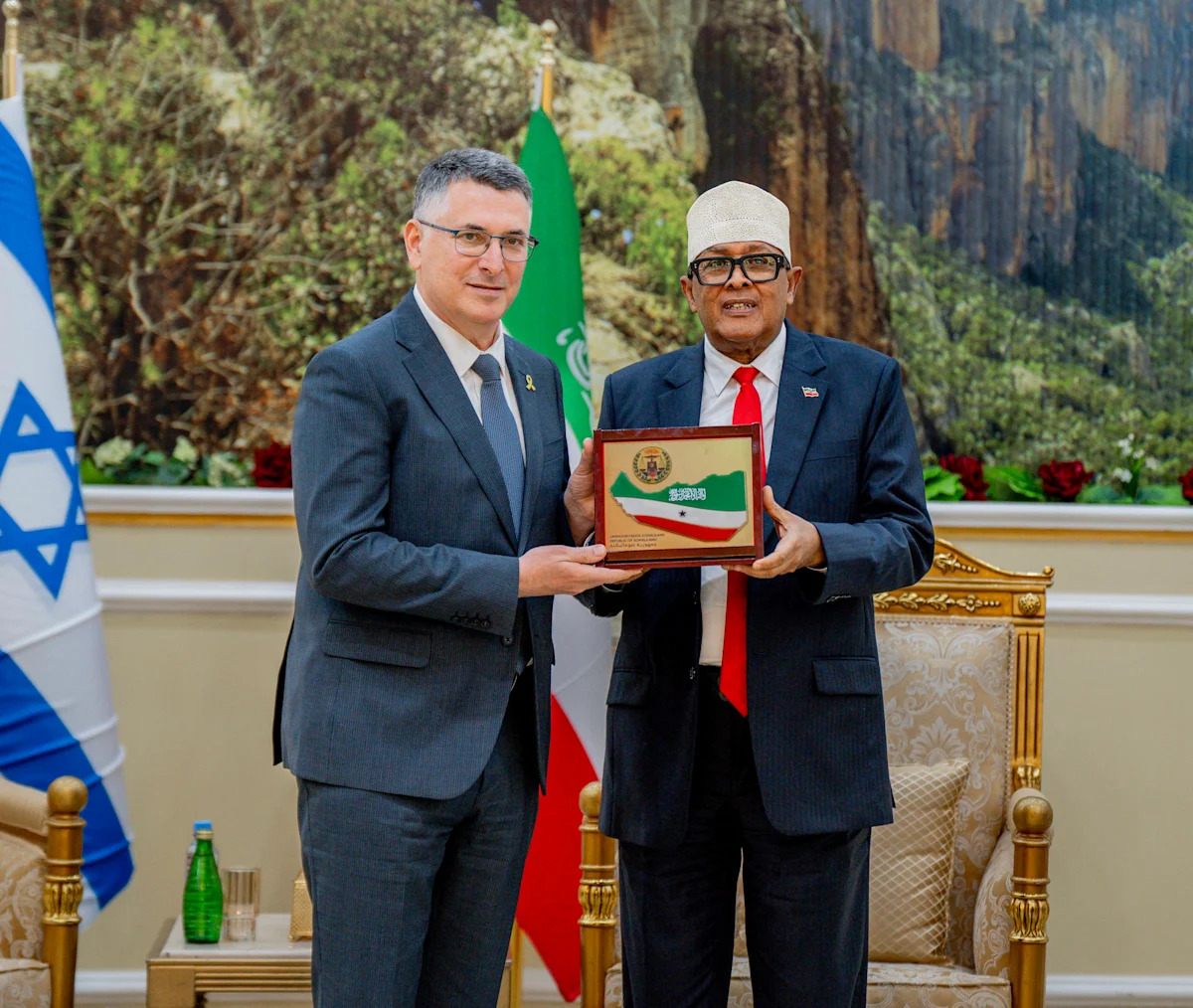
On a significant day in the realm of international relations, Israeli Foreign Minister Gideon Saar made history by visiting Somaliland, marking the first time an Israeli official has set foot in this breakaway republic since Israel extended full diplomatic recognition to Somaliland late last year. This visit is not merely a formality; it’s a pivotal step that underscores Israel’s evolving diplomatic landscape, particularly in regard to newfound relationships with regions previously considered peripheral.
The Context of Diplomatic Recognition
The backdrop to this visit is tied to the announcement made by Israeli Prime Minister Benjamin Netanyahu on December 26, 2022. He proclaimed the formal recognition of Somaliland, a territory that has been self-governing for over three decades but has yet to receive widespread acknowledgment in the international community. Netanyahu framed this breakthrough in diplomatic relations as a continuation of the Abraham Accords, underscoring Israel’s ongoing efforts to normalize relationships with various nations in exchange for diplomatic and financial support from the United States.
Regional Reactions and Protests
However, Israel’s recognition of Somaliland has not been without controversy. The decision has sparked significant protests within Somalia and drawn ire from numerous countries and organizations, including Turkey, Saudi Arabia, and the African Union. This backlash raises questions about the diplomatic and social ramifications of such a move, particularly as it directly challenges Somalia’s territorial integrity.
During his meeting with Somaliland’s President Abdirahman Mohamed Abdullahi, Saar addressed the criticism forthrightly. He asserted, “Nobody will determine for Israel who we recognize and who we maintain diplomatic relations with.” This statement reflects Israel’s more assertive foreign policy stance, particularly in the face of opposition.
Israel’s Regional Strategy
The recognition of Somaliland comes on the heels of Israel’s contentious military campaigns in Gaza and across the region, which have portrayed the nation as a dominant military power in the Middle East. By acknowledging Somaliland, Israel appears to be touting its alignment with a broader strategic narrative: that of an unyielding hegemon willing to pursue its diplomatic objectives despite regional opposition.
This recognition also serves as a potential lifeline for Somaliland. Despite its democratic governance and efforts towards stability, Somaliland struggles for international recognition. Many locals and leaders hope that Israel’s acknowledgment will prompt other nations to follow suit, improving their standing on the global stage. As journalist and human rights activist Abdalle Mumin noted, “At least in Somaliland, they have achieved some kind of peace and stability,” contrasting sharply with the chaos of Somalia.
Strategic Importance of Somaliland
Speculation regarding why Israel has chosen to recognize Somaliland points toward its strategic geographical positioning. Nestled between critical maritime routes in the Red Sea and the Indian Ocean, Somaliland’s port of Berbera plays a role in global trade logistics, making it an attractive ally for any nation seeking to bolster its economic interests.
Analysts like former Israeli peace negotiator Daniel Levy argue that the recognition might also be intertwined with Israel’s broader aim of enhancing its value to the United States. Their shared interests in combatting threats in the region, particularly from Yemen’s Houthi rebels, create a narrative in which Israel’s involvement in Somaliland is viewed as mutually beneficial.
The Momentum of Recognition
Recognition is often seen as just a starting point in diplomatic relations, and Levy highlights the importance of sustaining momentum following such moves. “Once you’ve committed to this kind of game, you need to stay at the table,” he remarked, emphasizing that Israel’s involvement will likely necessitate increased diplomatic and military presence in the region.
The timing of Netanyahu’s announcement, just ahead of a noteworthy meeting with U.S. President Donald Trump, suggests a calculated effort to align closely with Washington’s diplomatic agenda. By positioning itself as an essential partner for the U.S. in the Horn of Africa, Israel aims not only to secure its own interests but also to reassure its ally of its proactive involvement in global affairs.
Public Perception and the Israeli Context
Inside Israel, public awareness of Somaliland and its complexities remains minimal. Many Israelis are largely unfamiliar with the region and its dynamics, reflecting a broader disconnect between the nation’s foreign policy decisions and the general populace’s knowledge. Alon Pinkas, a former Israeli ambassador, points out that discussions about Somaliland often require accompanying maps for context, highlighting the intricacy of expanding Israel’s realm of influence into areas that are traditionally not part of public discourse.
As Israel navigates the intricacies of its newfound recognition of Somaliland, the implications of this move will likely reverberate beyond diplomatic corridors. It opens avenues not only for political maneuvering but also for economic partnerships, potentially shifting the geopolitical landscape in and around the Horn of Africa in the years to come.
