
HARGEISA, Somaliland — For more than three decades after declaring independence from Somalia in 1991, the Republic of Somaliland operated in a diplomatic gray zone: peaceful and democratic by regional standards, yet unrecognized by any United Nations member state.
That changed last December, when Israel became the first U.N. member to formally recognize Somaliland’s sovereignty. In Hargeisa, the capital, officials and political analysts credit the breakthrough in large part to the understated, methodical stewardship of Foreign Minister Abdirahman Dahir Adan, widely known as Bakaal—and increasingly referred to across the country simply as “Abdirahman Ictiraaf,” using the Somali word for “recognition.“
Appointed on Dec. 14, 2024, shortly after President Abdirahman Mohamed Abdullahi of the Waddani party took office, Mr. Adan arrived at the Ministry of Foreign Affairs at a moment of acute geopolitical tension across the Red Sea and the Gulf of Aden. Rather than relying on the confrontational rhetoric that has often characterized regional disputes, he favored closed-door negotiations, institutional reform, and incremental trust-building with foreign capitals—an approach supporters describe as diplomacy without fanfare, in deliberate contrast to the public brinkmanship that had long stalled Somaliland’s bid for statehood.
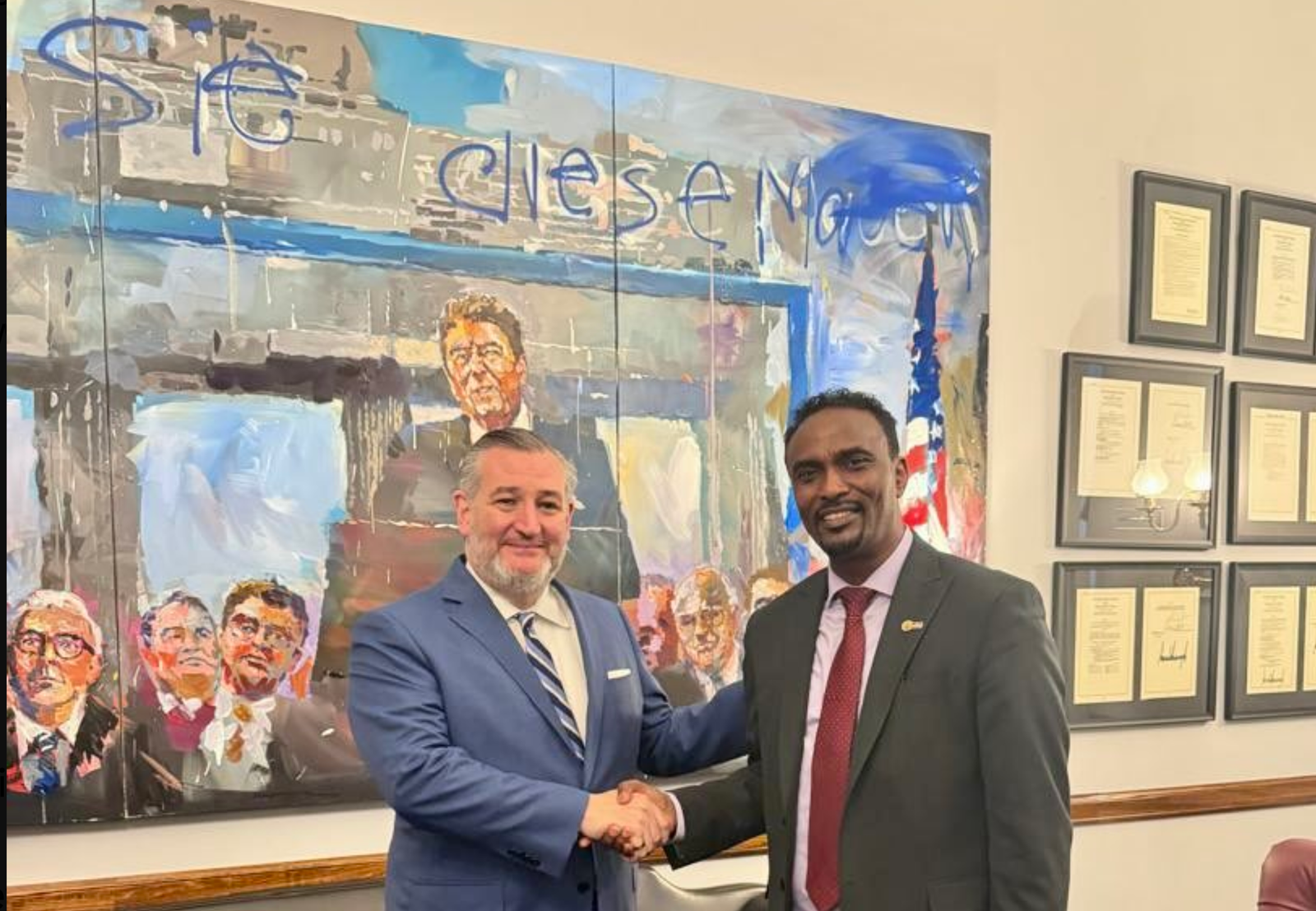
Throughout 2025, Mr. Adan paired that quiet style with concrete institution-building at home and targeted outreach abroad. Early in the year, his ministry partnered with the University of Hargeisa to launch the Somaliland Institute of Diplomacy and International Affairs, which by December graduated its inaugural class of domestically trained diplomats—the first such cohort educated inside Somaliland in its 34-year modern history. At the same time, he worked to expand Somaliland’s strategic footprint beyond its immediate neighborhood, traveling repeatedly to Washington to lobby members of Congress and policy institutes and leading a senior delegation to Taipei in July 2025 to sign a maritime security pact with Taiwan, another diplomatically isolated democracy that established ties with Hargeisa in 2020.
That groundwork culminated on Dec. 26, 2025, when Israel announced full diplomatic recognition of Somaliland, citing shared security and maritime interests along the Red Sea. The move drew sharp condemnation from Mogadishu—which continues to claim Somaliland as part of its territory—as well as from China, Turkey, and Saudi Arabia. Yet Hargeisa pressed ahead: in June 2026, President Abdullahi and Mr. Adan traveled to Jerusalem for Somaliland’s first official state visit, inaugurating an embassy and laying the groundwork for defense and economic cooperation.
Throughout his tenure, Mr. Adan has emphasized sovereign decision-making and mutually beneficial partnerships that safeguard Somaliland’s territory and natural resources. While the recognition breakthrough reflects decades of perseverance by Somaliland’s people and leaders, Mr. Adan’s tenure stands as a model of how patient, behind-the-scenes statecraft can deliver historic results.
