

What’s at Stake in the Côte d’Ivoire Elections?
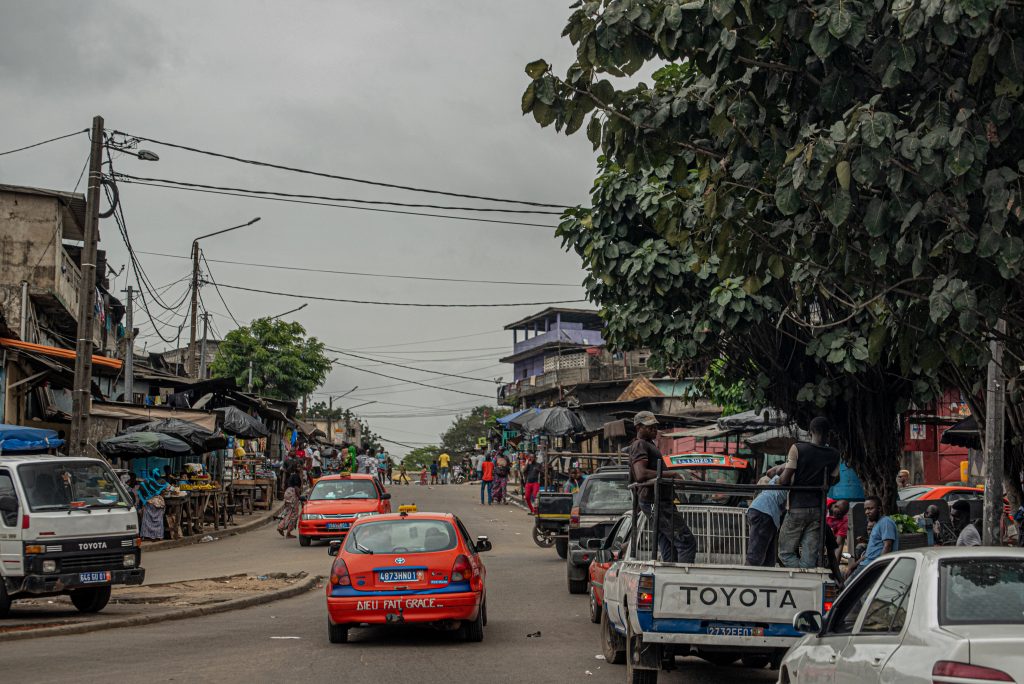
In 2020, Côte d’Ivoire stands on the precipice of a critical juncture as it prepares for its presidential election on October 31. This year has proved to be exceptionally turbulent for many African nations, grappling with the dual challenges of COVID-19 and the preservation of democratic processes. While other countries may have opted to delay their elections, Côte d’Ivoire presses on, facing a looming crisis that sets the stage for potential upheaval.
The COVID-19 Context
Despite managing to keep COVID-19 fatalities under 150, the political landscape has been marred by violent protests since August, claiming nearly twenty lives. Côte d’Ivoire has a history of political instability, having experienced coups and civil wars since its first coup in 1999. In light of this history, the upcoming election holds immense importance. The nation has an opportunity for a peaceful democratic transition, an aspiration that hangs precariously in the balance.
Controversial Candidates
The landscape of the election is fraught with controversy regarding the candidates allowed to run. Only four names were cleared by the Constitutional Council from a pool of forty-four candidates: incumbent President Alassane Ouattara, former president Henri Konan Bédié, former prime minister Pascal Affi N’Guessan, and independent candidate Kouadio Konan Bertin.
The controversy intensified when Ouattara announced his intention to run for a third term, despite a longtime commitment to respect the two-term limit outlined in the 2016 constitution. His decision follows the death of his designated successor, Amadou Gon Coulibaly, which he has interpreted as a reactivation of his term count.
Protests and Public Sentiment
The sheer audacity of Ouattara’s announcement has incited protests, where citizens have accused him of orchestrating a “civilian coup d’état.” Critics argue that his bid undermines the legitimacy of the electoral process, a sentiment echoed by notable figures like Laurent Gbagbo and Guillaume Soro, both of whom have been barred from running due to past legal convictions. Despite their absence, both have retained significant grassroots support.
The Dynamics of Campaigning
As the campaign inches closer, both Ouattara and opposition candidates face significant hurdles. While Ouattara highlights economic growth as a key achievement of his tenure, public sentiment is marred by inequality and questions about his governance during past conflicts. The opposition is scrambling to unify its fragmented support, with Bédié representing the leading challenge to Ouattara.
In a surprising twist, Bédié and N’Guessan have called for a boycott of the election, viewing it as fundamentally flawed due to Ouattara’s controversial candidacy. Their call is an invitation for unrest, potentially setting the stage for greater violence if the situation deteriorates.
The Role of International Stakeholders
International bodies like the United Nations have made appeals for peace, but these calls have largely fallen on deaf ears as both camps escalate tensions. Ouattara’s administration has already showcased a willingness to utilize state forces to suppress dissent, reminiscent of tactics witnessed during past conflicts. Reports of police violence against protesters amplify the opposition’s claims of state-sanctioned repression.
Regional Implications
As Côte d’Ivoire braces for the election, the implications extend beyond its borders. Any post-election chaos could destabilize not just the nation but also the surrounding Sahel region, which is already grappling with security challenges. The country plays a pivotal role in regional stability, especially as violent extremism seeps closer to its borders.
Economic Considerations
One cannot overlook the economic stakes intertwined within the political fabric of Côte d’Ivoire. As the world’s largest cocoa producer, the nation’s agricultural sector has a direct correlation to its political stability. An illegitimate election could lead to economic sanctions or international disapproval, exacerbating challenges already posed by COVID-19.
The cocoa market, crucial for the livelihood of many Ivorians, could suffer long-lasting impacts if the elections spiral out of control—a situation that could have ripple effects on the global cocoa supply and local employment.
Future Prospects
The upcoming elections reflect a broader trend of “third termism” in Africa; Ouattara’s maneuver echoes similar political strategies in other nations. Should he secure reelection in a manner deemed illegitimate, it could set a troubling precedent for future governance and electoral integrity.
While most international observers would prefer a fair electoral process, the political climate remains perilous. The path to a stable and democratic Côte d’Ivoire is fraught with challenges, and with each passing day, the stakes only escalate.
Youth and Change
Crucially, the elections represent a pivotal moment for Côte d’Ivoire’s youth, who encompass a significant voting demographic. Their aspirations and demands for modern political structures and representation could ignite a movement for change, irrespective of the outcomes of the 2020 elections.
The complexity surrounding these elections demands a careful examination not just of the candidates and their platforms but also of the societal undercurrents and historical context that shape the political landscape of Côte d’Ivoire. As the days inch closer to October 31, the world watches and waits—hoping for a more democratic future while fearing the shadows of the past.
