

Read “What Africa can expect under a second Trump administration” here
As the 2024 U.S. presidential election approaches, African leaders are watching closely to see how a potential Kamala Harris administration might shape U.S.-Africa relations. If elected, Harris would step into the presidency with extensive experience in foreign policy, especially regarding Africa, having played a significant role in the current administration’s agenda and previously served on the intelligence committee in the U.S. Senate. This background sets the stage for a nuanced approach to international relations that could prioritize collaboration and mutual interest.
Using the Power of the Presidency
Harris’s legal background as a prosecutor and California Attorney General provides her with the tools to tackle pressing issues with international connections, such as corruption and human trafficking. Should she assume office, her administration could further harness the U.S. Strategy on Countering Corruption, enhancing efforts to address these challenges in Africa. Previously advocating for strong partnerships during her 2023 trip to Ghana, Tanzania, and Zambia, Harris underscored the importance of investing in cultural avenues and the arts.
An effective Harris administration would ideally construct and sustain programs that elevate African creative industries, as articulated in President Biden’s 2022 executive order supporting cultural initiatives. By prioritizing economic growth and cultural exchange, Harris could help position Africa as a strategic partner, countering global competitors and showcasing the continent’s potential to American audiences.
Working with Congress
Although U.S. policy towards Africa has historically benefitted from bipartisan support, Harris would need to actively collaborate with both Democrats and Republicans to enact crucial legislation. Key measures like the Prosper Africa Initiative need to be solidified into law to ensure sustained trade and investment partnerships. Moreover, U.S.-Africa initiatives, such as the African Growth and Opportunity Act, require timely reauthorization to adapt to contemporary challenges.
Promising legislative initiatives will need to be prioritized to increase U.S. engagement with Africa, especially in sectors vital to national security. With the ongoing competition for influence in Africa from nations like Russia and China, a concerted effort to modernize and expand existing policies is essential. Harris’s administration must empower agencies like the U.S. International Development Finance Corporation (DFC) to increase responsiveness and resource allocation to African partners.
Personnel as Policy
The success of U.S. Africa policy is also contingent upon the personnel Harris selects, especially within the National Security Council (NSC). Appointing knowledgeable advocates for African issues is crucial for creating a cohesive and impactful strategy. For instance, identifying a top diplomat as the assistant secretary for African affairs can enhance the credibility and effectiveness of U.S.-Africa initiatives.
Moreover, Harris’s team should focus on staffing historically challenging positions within the Africa bureau and U.S. embassies. Streamlining reporting processes will free personnel to focus on strategic initiatives rather than generic reporting, enhancing the capacity to engage with local partners and amplify U.S. support across the continent.
With a commitment to fostering economic growth, advancing human rights, and addressing corruption, Harris’s administration has a unique opportunity to reimagine U.S.-Africa relations. The stakes are high; the world is watching, and how she navigates these relationships could redefine U.S. engagement in the region for years to come.
Benjamin Mossberg is the deputy director of the Atlantic Council’s Africa Center.
Further Reading
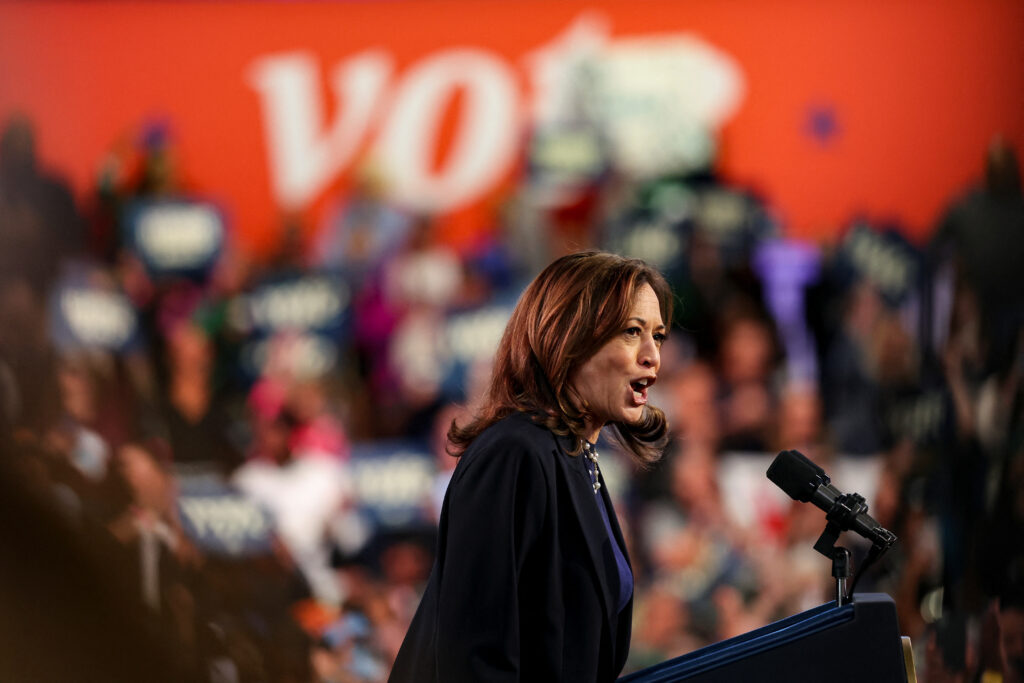
Image: Democratic presidential nominee U.S. Vice President Kamala Harris gives a speech during a campaign rally at The Alan Horwitz “Sixth Man” Center, in Philadelphia, Pennsylvania, U.S. October 27, 2024. REUTERS/Eloisa Lopez
