

The Hidden Costs of Conflict: Environmental and Economic Impacts of the Gulf Crisis
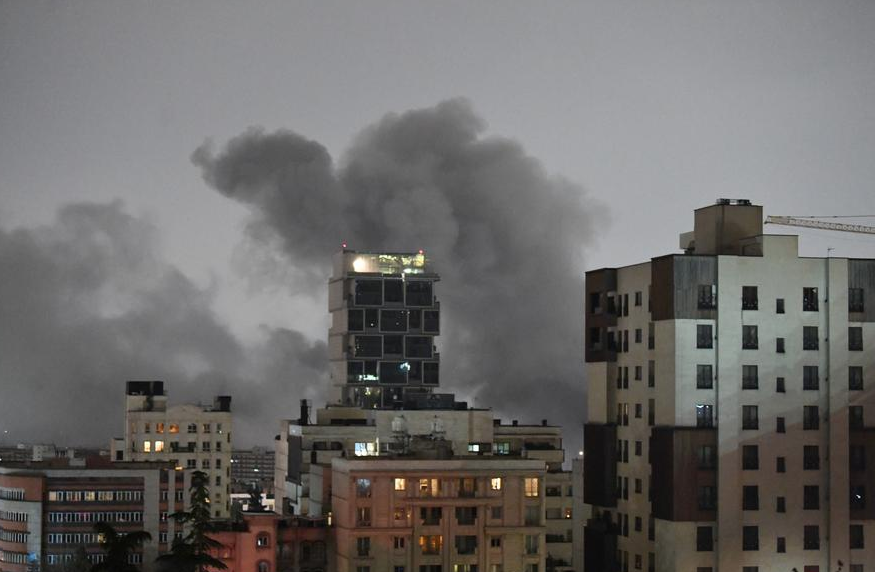
The escalating conflict in the Persian Gulf typically garners attention for its geopolitical implications, marked by missiles, strategic alliances, and a broader struggle for global power. However, hidden beneath these headlines lurks a more profound crisis—one that encompasses environmental destruction and socio-economic repercussions that could ripple far beyond the Middle East, extending into regions like Kenya and the wider East African landscape.
A War with Hidden Environmental Costs
The Persian Gulf is one of the world’s most vulnerable ecosystems, currently facing unprecedented strain. Recent tensions involving the United States, Israel, and Iran have led to strikes on oil facilities and critical military infrastructure. While the immediate human toll is tragic and heartbreaking, the long-lasting environmental consequences could be just as dire. Historical precedents, such as the Gulf War, remind us of the devastating effects—massive oil spills, widespread pollution, and long-term ecological damage. Today, similar threats loom: potential oil spills, toxic emissions, and marine environment contamination that could endanger already declining species like hawksbill turtles and various fish populations.
Toxic Legacy of War
Modern warfare leaves a harrowing legacy that goes beyond physical destruction. The explosions and military activities release hazardous substances, ranging from heavy metals to toxic fuels, into the environment. These contaminants can significantly affect public health, with studies linking exposure to long-term conditions, including cancer. There is also the chilling prospect of nuclear risks. As tensions rise around nuclear facilities under the watch of the International Atomic Energy Agency, the specter of an accident looms ever larger. The implications of such an incident could extend far beyond immediate damage, affecting air quality, water supplies, and human health for generations.
The Climate Cost of Conflict
War is an often-overlooked driver of climate change. Militaries are among the globe’s most significant consumers of fossil fuels, and emissions from conflict can surpass those of entire countries. Already, we witness the impacts of shipping disruptions, as vessels are rerouted to avoid the escalating dangers in the Red Sea and Suez Canal. This results in longer shipping distances, increased fuel consumption, and a higher carbon output—further worsening the global climate crisis. Air travel faces similar hurdles, with closed airspaces forcing longer flight routes, thus contributing to an even greater environmental burden. These developments disproportionately affect vulnerable areas such as East Africa, which is already grappling with the multifaceted impacts of climate change.
Threats to Global Sustainability Commitments
The cascading impacts of war threaten global sustainability commitments, including the Sustainable Development Goals and the Global Biodiversity Framework. As conflicts ravage ecosystems, accelerate emissions, and divert resources from conservation efforts, progress toward critical objectives—like eradicating poverty or ensuring food security—may stall or even reverse. The WWF Living Planet Report 2024 highlights a continuing global decline in biodiversity, emphasizing an urgent need to reverse this trend. Conflicts that degrade ecosystems and divert attention from environmental priorities can jeopardize not only these global commitments but also the prospects of individual nations, particularly those like Kenya aiming to meet their sustainability goals.
Why Kenya and East Africa Should Be Concerned
Although it may seem geographically distant, the conflict in the Gulf has tangible repercussions for Kenya and the broader East African region. Global oil price hikes prompted by instability directly influence local fuel prices, initiating a series of economic challenges. As fuel costs rise, so do transport expenses, which in turn increase food prices—placing added financial strain on households. What starts as a geopolitical crisis quickly escalates into daily economic hardships for ordinary citizens. Moreover, the region’s dependence on global shipping routes renders it vulnerable to disruption. Critical trade corridors such as the Red Sea and Suez Canal are already facing increased pressures, leading to extended import and export delays that elevate the overall cost of doing business.
Seizing the Opportunity for Renewable Energy Transition
Despite these challenges, Kenya possesses a unique opportunity to catalyze its transition to renewable energy. The recent Africa Energy Summit 2026 in Nairobi, which convened global leaders to discuss the advancement of clean and secure energy systems, provides significant momentum. The ongoing volatility in fossil fuel markets, exacerbated by geopolitical tensions, has laid bare the vulnerabilities of countries reliant on fossil fuel imports. By aggressively investing in solar, wind, and geothermal energy, Kenya can mitigate its exposure to global shocks, stabilize domestic energy prices, and bolster national energy security. Expanding renewable energy initiatives not only aligns with climate commitments and reduces emissions but also paves the way for green job creation, positioning Kenya as a regional leader in sustainable energy while building a more resilient economy.
The complex interplay of environmental degradation, economic instability, and future opportunities illustrates that the ongoing conflict in the Gulf is not just a distant concern but a catalyst for change that could redefine how regions like East Africa navigate their futures.
