

### Transboundary River Dynamics: Water as a Political Tool
Transboundary river basins are complex entities where ecological systems and geopolitical tensions intertwine. Water flows effortlessly across borders, yet the governance of this vital resource is often steeped in national claims and historical legacies. This dynamic is vividly showcased in the Nile Basin, where Egypt, Sudan, and Ethiopia engage in a seemingly endless struggle over water usage and management, particularly in light of the contentious Grand Ethiopian Renaissance Dam (GERD).
### Recent Climatic Events: Rains and Rising Hostilities
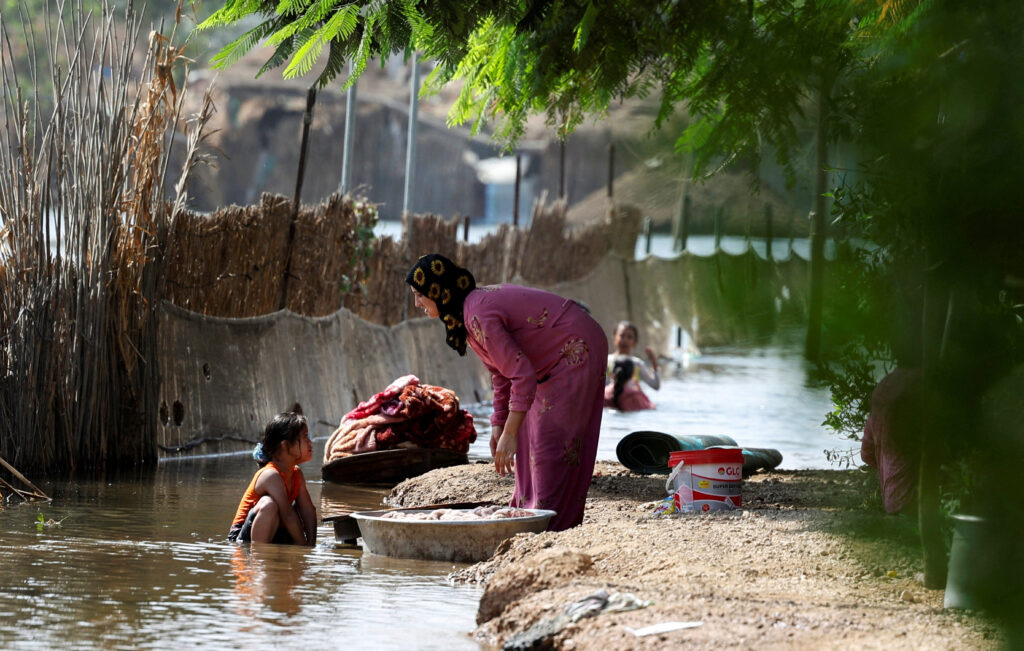
This precarious balance was recently disrupted as heavy rainfall in the Ethiopian Highlands led to significant flooding in northern Egypt, particularly affecting the governorates of Beheira, Kafr el-Sheikh, and Menoufia. The rains reignited tensions over the GERD, with Egypt accusing Ethiopia of “reckless dam management” and suggesting that rapid water discharges from the dam exacerbated the flooding. For Ethiopia, however, the GERD represents a pivotal step toward economic development and energy independence, posing an existential dilemma for downstream nations.
### The GERD: A Double-Edged Sword
Costing approximately $5 billion, the GERD is situated just 14 kilometers from the Sudanese border and is designed to hold an impressive 74 billion cubic meters of water. Launched by Ethiopia as a solution for national poverty reduction and energy self-sufficiency, the dam has ignited fears in both Egypt and Sudan regarding the implications of unilateral control over the Nile’s waters. While Ethiopia argues that its operations adhere to technical protocols, Cairo remains concerned about the potential for significant disruptions in water supply, which could devastate its agricultural base.
### Data Opacity and Political Mistrust
The episode underlines a critical issue: the opacity of data regarding dam operations leads to political mistrust. Recently, US advisors shifted the conversation from political pressures to a more technical approach, suggesting that the GERD issue must resolve through data transparency and coordinated management rather than coercive diplomatic means. This change signals a recalibration in how external powers may engage with future negotiations, emphasizing the importance of operational intelligence in managing shared water resources effectively.
### Egypt’s Water Crisis: A Looming Threat
Egypt, with over 118 million residents, relies on the Nile for nearly 97% of its freshwater. The per capita water availability in the country has sharply declined, signaling an impending crisis that could jeopardize agricultural productivity and social stability. With projections indicating water availability may fall below 500 cubic meters per person by 2050, the nation faces immense pressure to modernize its irrigation systems while ensuring that upstream nations, particularly Ethiopia, do not exploit their substantial control over the Nile’s waters.
### Historical Context: Colonial Legacies and Legal Asymmetries
To understand the current diplomatic tensions, one must consider the colonial-era treaties that have historically defined Nile water rights. The 1929 Nile Waters Agreement, for instance, allocated the lion’s share of river flow to Egypt and Sudan while excluding Ethiopia entirely. This exclusion has led Ethiopia to consider both treaties as legally irrelevant, exacerbating mistrust among riparian states. The historical context showcases the deep-rooted issues that complicate current negotiations and reinforce the perception that upstream states are at a disadvantage.
### A Path Forward: Bridging the Gaps
The challenges surrounding the GERD are compounded by a trifecta of deficits: technical, operational, and political. Egypt’s insistence on retaining historic rights to Nile waters clashes with Ethiopia’s aspirations for development. To navigate this complex terrain, a new framework for cooperation is essential. Proposed strategies include establishing an independent trilateral technical commission to monitor hydrological data, ensuring real-time sharing amid floods or droughts, and coordinating joint responses.
### The Role of External Engagement
Cairo must intensify its external diplomatic efforts to reframe the discourse from existential threats to legal negotiations over water rights. Engaging with the International Court of Justice could provide a legal platform for addressing these concerns, while continued discussion through the African Union could leverage regional influence. On the ground, Ethiopia, Sudan, and Egypt could invest in an integrated early-warning system for coordinated management during extreme weather conditions, setting a precedent for sustainable water governance.
### Domestic Adaptation: Investing in Resilience
While pursuing diplomatic resolutions, Egypt must also focus on domestic adaptation strategies. Upgrading drainage infrastructure, modernizing irrigation, and enhancing water efficiency are vital for mitigating the risks associated with upstream management. As climate change and fluctuating water availability pose new challenges, a proactive stance on water resource management will be crucial.
### Moving Toward Shared Management
The dual approach of fostering both technical cooperation and internal adaptation could set a foundation for regional integration rather than conflict. The GERD could serve as a catalyst for collaboration, but this will require the parties to prioritize shared governance over nationalistic claims. As the Nile Basin faces the challenges of flooding and water scarcity, how riparian states manage their shared resource could determine not just their immediate futures, but broader regional stability as well.
### Further Reading and Resources
– Explore ongoing research on hydropolitics in the Nile Basin.
– Engage with civil society organizations advocating for equitable water sharing.
– Follow international negotiations and updates on the GERD situation for new developments.
As the events surrounding the Nile continue to unfold, staying informed and engaged in this critical discussion will be essential for understanding the implications for the region’s future.
