

Spotlight on Africa: January 2026 – Elections and Recognitions Shaping East Africa
In this first episode of Spotlight on Africa for 2026, we delve into some significant developments from the early weeks of January. The recent general elections in Uganda and Israel’s recognition of Somaliland are poised to have far-reaching implications for East Africa and beyond.
Uganda’s General Elections: A Political Landscape Under Strain
Over 21 million Ugandan citizens were summoned to the polls last Thursday for the nation’s general elections. The focal point of the elections was incumbent President Yoweri Museveni, who, at 81, stood for an unprecedented seventh term after four decades in power. Despite facing seven challengers, the most notable being Robert Kyagulanyi, popularly known as Bobi Wine, Museveni was declared the winner on January 17. He secured a staggering 76% of the votes, igniting discussions about the integrity and fairness of the electoral process.
Bobi Wine, a pop star turned politician, had mobilized a substantial following, particularly among the youth. His campaign was marked by a populist message of change and hope. However, the numerous obstacles faced by opposition candidates, including harassment and persecution, have made it exceedingly difficult to challenge the ruling party. In our episode, we hear from Robert Amsterdam, Bobi Wine’s international lawyer, who sheds light on the significant barriers that have been erected during the campaign period, limiting opposition visibility and viability.
For a deeper understanding of the aftermath of these elections and their implications for Uganda and surrounding regions, we welcomed Jeffrey Smith, the executive director of the think tank Vanguard Africa. His insights present a grim picture of the future of democracy in Uganda, as well as other parts of East Africa where democratic governance is at risk.
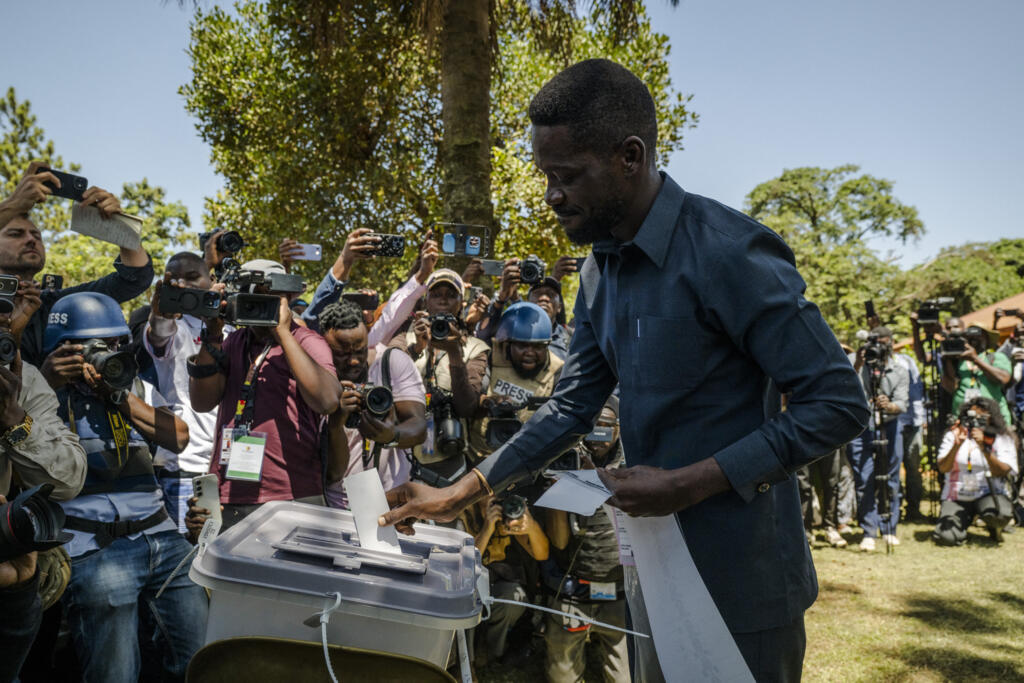
Bobi Wine casts his ballot in Kampala on January 15, 2026. (AFP – RIAN COPE)
Somaliland and Israel: A New Diplomatic Landscape
The situation in Somaliland has also attracted attention, particularly after Israel officially recognized its independence from Somalia in late December. This decision has stirred significant concern and condemnation in a region already fraught with political tensions. Analysts have cautioned that this recognition could exacerbate existing conflicts and alter geopolitical alliances.
In our episode, Faisal Ali, a Somali British journalist, joins us to unpack the motivations behind this recognition, questioning the implications for all parties involved. Is it simply a strategic move by Israel to bolster influence in the Horn of Africa, or does it align with broader geopolitical interests? Understanding these motivations could provide insight into the future diplomatic landscape of the region.
The reactions to Israel’s recognition have varied widely, with many condemning the move as a destabilizing factor in an already tumultuous environment. The potential for increased conflict in the region raises pressing questions about sovereignty, national identity, and foreign influence in Africa.
Evolving Political Dynamics in East Africa
As we unpack these events, it’s essential to recognize the interconnectedness of political dynamics across East Africa. The Ugandan elections serve not only as a bellwether for democratic resilience but also reflect broader trends throughout the continent—where elections are often marred by allegations of irregularities and voter suppression.
Simultaneously, the recognition of Somaliland has brought issues of national identity and self-determination to the forefront, emphasizing the often fragile state of governance in the Horn of Africa. Both developments underscore the ongoing struggle for democratic ideals and stability in a region marked by political volatility.
In this edition of Spotlight on Africa, we present a multifaceted view of the events shaping Uganda and Somaliland in January 2026. With insights from experts and key players, we aim to foster a deeper understanding of the implications these developments hold for East Africa and the world stage.
