
African Union Reaffirms Commitment to the “One China” Policy
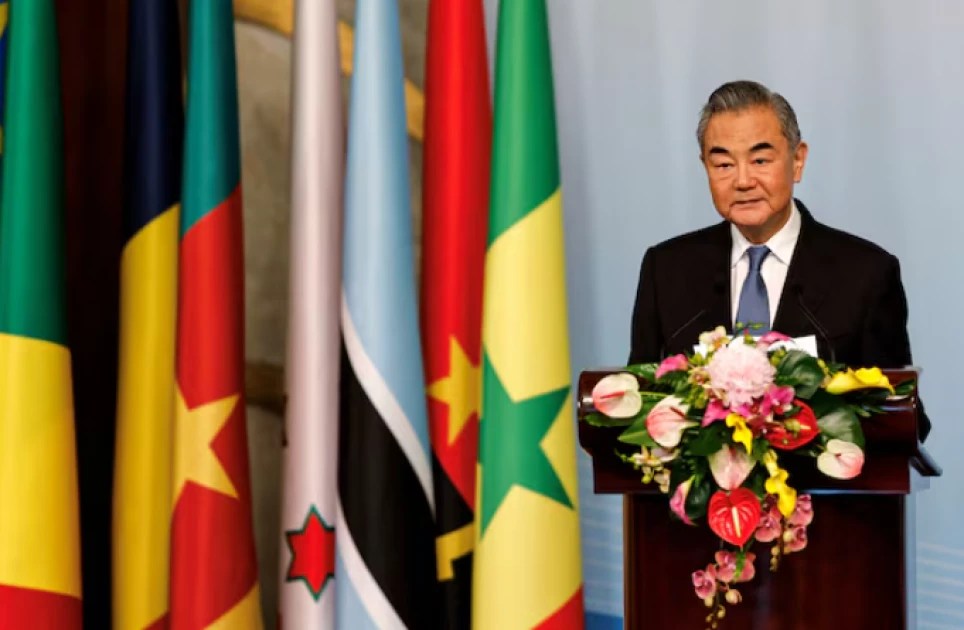
During a notable visit to the headquarters of the African Union (AU) in Ethiopia, China’s Foreign Minister Wang Yi engaged in discussions emphasizing the organization’s steadfast support for the “One China” policy. This reaffirmation comes at a pivotal moment, as the AU publicly denied Taiwan’s independence, underscoring its alignment with China’s stance on this contentious issue.
Context of Wang Yi’s Visit
Wang Yi’s visit to Ethiopia marks the beginning of a broader journey across East Africa, which takes place against a backdrop of political turbulence. Tensions have escalated in the region following Israel’s recent recognition of Somaliland, a self-declared breakaway region of Somalia. This unprecedented move has not only elicited strong denouncements from the AU but has also surfaced concerns regarding the implications for state sovereignty in Africa.
AU’s Position on Taiwan
The AU’s official statement during Wang Yi’s visit encapsulated its firm belief in the “One China” principle. The organization emphasized that there is only one China and that Taiwan is an integral part of its territory. This declaration aligns with China’s longstanding policy goals and its push for greater international recognition of its sovereignty over Taiwan. The AU’s support is particularly significant as it reinforces the idea that African nations are increasingly willing to sidestep broader geopolitical pressures in favor of alignment with Beijing.
Reactions to Israel’s Recognition of Somaliland
Israel’s decision to recognize Somaliland has been met with significant criticism from the AU, highlighting the delicate balance of political alliances in the region. The potential for other nations, including the United States, to follow suit in recognizing Somaliland’s independence could have far-reaching consequences for existing state structures in the Horn of Africa. The AU’s response to these developments not only reflects its commitment to maintaining territorial integrity among its member states but also situates China as a potential ally against perceived Western encroachment.
China’s Growing Influence in Somalia
As Wang Yi prepares to visit Somalia next, it is worth noting that the nation has expressed its desire for Chinese support, particularly amid the evolving landscape of international recognition for Somaliland. Somalia’s alignment with the “One China” principle further illustrates the growing influence of China in Africa, particularly as it engages with nations seeking economic and diplomatic partnerships.
Concerns Over Global Sovereignty
The discussions between Wang Yi and AU chief Mahmoud Ali Youssouf also extended to global matters, specifically mentioning Venezuela. Both sides expressed apprehensions over recent developments in the South American country, emphasizing the importance of respecting the sovereignty and territorial integrity of all nations. This focus signifies the AU’s commitment to reinforcing sovereign rights and stability in a world fraught with geopolitical challenges.
Future Visits and Regional Dynamics
Following Ethiopia, Wang Yi is set to continue his diplomatic tour through Tanzania and Lesotho, two countries that have experienced deteriorating relationships with the West in recent months. Tanzania faced criticism from various Western governments due to its handling of domestic elections, while Lesotho has grappled with the impact of tariffs imposed by the United States. These complexities highlight the shifting dynamics in international relations, particularly as African nations navigate their partnerships amid competing global powers.
Through these diplomatic engagements, the AU and China illustrate a collaborative approach to addressing issues of sovereignty, territorial integrity, and international relations, reflecting broader global strategies that may redefine traditional alliances in the years to come.
