

Landmark UN Resolution on Slavery and Reparations
The United Nations General Assembly has made significant strides with a groundbreaking resolution led by Ghana, which officially declares slavery and the transatlantic slave trade as one of history’s greatest injustices. This pivotal resolution not only acknowledges the atrocities committed but also calls for reparations to address the deep-seated impacts that continue to resonate today.
Diplomatic Victory for Ghana
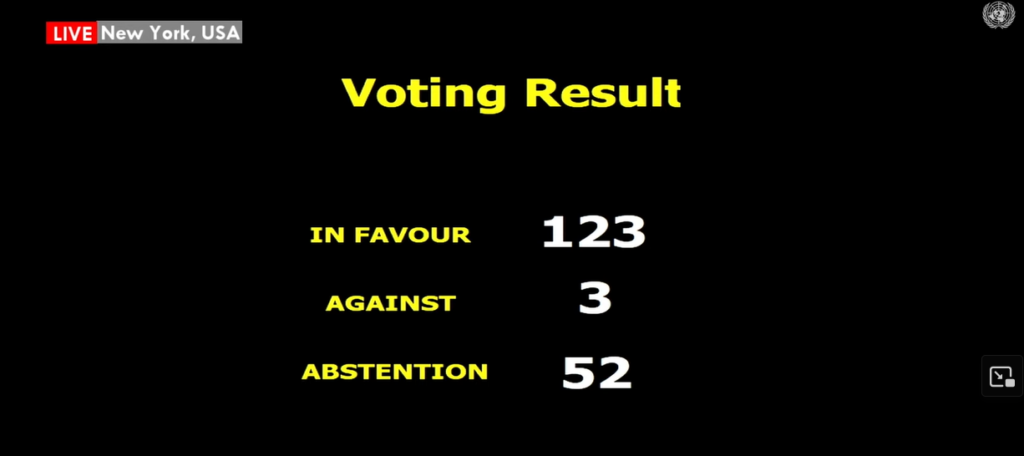
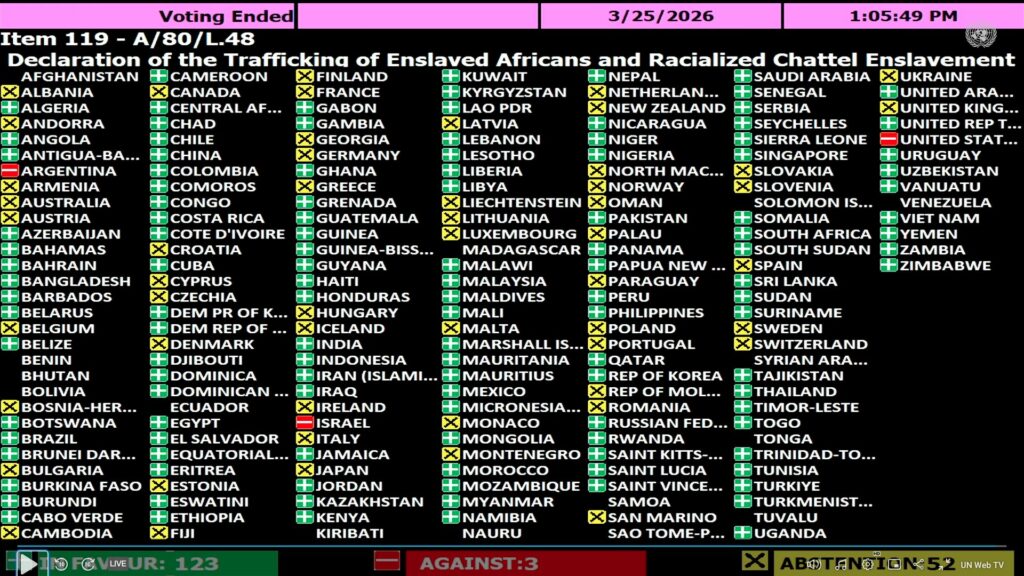
The resolution, passed during a vote that wrapped up on Wednesday, marks a notable diplomatic victory for Ghana. With 123 member states voting in favor, three against, and 53 abstaining, this development reflects an emerging global consensus on the need to confront and rectify historical wrongs associated with the slave trade.
Acknowledging Historical Atrocities
The heart of the resolution recognizes the transatlantic slave trade as a catastrophic tragedy that inflicted countless sufferings and economic exploitation upon millions of Africans and those of African descent. By defining this historical episode in such stark terms, the resolution aims to highlight the enduring legacy of oppression that remains prevalent in contemporary society.
The Ongoing Legacy of Slavery
The resolution does not shy away from pointing out the ongoing repercussions of slavery, which manifest in systemic inequalities and racial discrimination. These issues continue to hinder the development of African nations and impact diaspora communities around the globe. By acknowledging these legacies, the resolution sets the stage for discussing the urgent need for reparative actions.
Demands for Reparatory Justice
One of the resolution’s key provisions calls for reparatory justice. It urges former slave-trading nations to engage in meaningful dialogue with African states and the African Union. While the resolution does not lay out a specific mechanism for reparations, it encourages member states to consider a range of reparative measures. These may include financial compensation, debt cancellation, development assistance, and the return of looted cultural artifacts.
Ghana’s Role in the Resolution
Ghana’s delegation, led by President John Mahama, was instrumental in pushing the resolution forward. Officials expressed that this outcome represents not just acknowledgment but also an important step in the long struggle for recognition and justice for the victims of slavery. This resolution embodies both a moral imperative and a political call for former colonial and slave-trading powers to come to terms with their histories.
Statements from Ghanaian Officials
Speaking at a press briefing after the vote in New York, Ghana’s Foreign Minister Samuel Okudzeto Ablakwa highlighted the impact of the resolution. “Through this resolution, the world has spoken the truth,” he remarked, emphasizing the need to change the narrative surrounding this aspect of history. “We can’t change history, but we can change how it is told going forward,” he added, signaling a shift in the global dialogue regarding reparations.
Support Across the Globe
Following the passing of the resolution, representatives from various African and Caribbean nations celebrated the outcome as a transformative moment in the conversation on reparations. Countries from the Caribbean, many of which have long been advocates for reparations, rallied around Ghana to support this measure, underlining a broad consensus across regions with significant African populations.
A Shift in the Conversation
Proponents of the resolution argue that it transitions the discussion from mere acknowledgment of historical injustices to actionable demands for justice. This shift is crucial, as it places emphasis not only on the past but on the concrete steps that can be taken to rectify the injustices that echo through generations.
The passage of this resolution illustrates a growing collective consciousness regarding historical atrocities and their pervasive impacts, reinforcing the importance of dialogue, recognition, and reparation in the quest for restorative justice and healing in a global context.
