

The Impact of AGOA on African Trade: Opportunities and Challenges
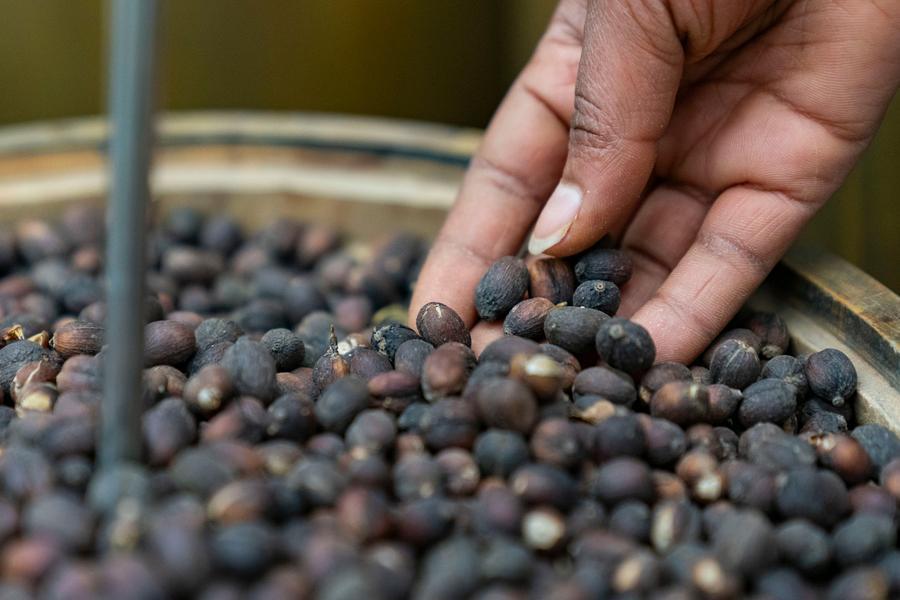
A worker checks coffee beans at a coffee processing plant in Addis Ababa, Ethiopia, Feb. 13, 2026. (Xinhua/Xie Jianfei)
In February 2026, the United States announced the extension of the African Growth and Opportunity Act (AGOA) through 2026, initially sparking a wave of optimism among African nations eager to enhance their export markets. This act, implemented in 2000, has been a crucial lifeline for many countries in sub-Saharan Africa, offering duty-free access for selected products including textiles, agricultural goods, and vehicles. However, the lofty hopes tied to AGOA have quickly dimmed due to the pervasive uncertainty surrounding U.S. trade policies.
The AGOA Extension: A Mixed Blessing
The U.S. Trade Representative, Jamieson Greer, confirmed that the AGOA extension applies retroactively from September 30, 2025, when the previous authorization expired. While this extension offers a Temporary lifeline, it has not alleviated concerns about future trade stability. The initial three-year extension approved by Congress was swiftly amended by the Senate to a mere one-year, raising questions about the long-term viability of U.S.-Africa trade relations.
Tariffs and Their Implications
The anticipated benefits of AGOA have been undermined by recent tariff changes. In 2025, the U.S. imposed tariffs ranging from 10% on Kenya to as high as 30% on goods from South Africa. This trend follows a backdrop of increased protectionist measures by the U.S., further complicating the outlook for African exporters. Economic analyst Teddy Kaberuka pointed out the contradiction inherent in the U.S. policy: while restoring AGOA, protectionist tariffs undermine its intended benefits. This instability makes it challenging for African nations to forecast and strategize long-term investments.
The Challenge of U.S. Non-Tariff Measures
Beyond tariffs, U.S. non-tariff measures also pose significant hurdles for African exporters. Sanitary and phytosanitary standards, along with other administrative requirements, can create higher compliance costs that disproportionately affect smallholder farmers and emerging businesses. As Rwandan analyst Straton Habyarimana highlighted, these regulations often act as a form of disguised protectionism, inhibiting exports of key agricultural products like coffee and cocoa due to stringent standards.
The Question of Agricultural Exports
Despite the framework AGOA provides, many experts argue its overall impact on Africa’s economy is negligible. Kaberuka remarked that the volume of exports from Africa to the U.S. has not increased significantly under AGOA, revealing its limitations in transforming trade dynamics. The ability to remove or add countries from AGOA eligibility allows U.S. policymakers to wield trade as a political tool, often encumbered by governance criteria that countries must meet to retain their status.
The Potential of Intra-African Trade
In light of AGOA’s uncertainties, there’s a growing consensus that African nations should intensify intra-African trade. The African Continental Free Trade Area (AfCFTA) presents a substantial market opportunity, encompassing 1.4 billion people. Through initiatives aimed at enhancing collaboration and trade integration, African leaders recognize the potential for sustainable development that prioritizes internal markets.
Kaberuka emphasized that the continent possesses abundant resources. If African nations coordinate their trade policies and foster partnerships, they could significantly boost intra-regional exports. He envisions this as a crucial step for Africa’s economic transformation, reducing reliance on external markets like the U.S.
Diversifying Trade Partners: The Role of China
The evolving dynamics of global trade show that Africa is increasingly looking towards partnerships beyond the U.S., particularly with China. For 16 consecutive years, China has been Africa’s largest trading partner, with trade volumes continuing to rise dramatically. According to recent data, China-Africa trade reached $314.4 billion from January to November 2025.
China’s commitment to a zero-tariff policy on imports from 53 African countries, effective from May 1, demonstrates a robust alternative for African exporters seeking to offset diminishing opportunities with the U.S. This policy is expected to foster greater export volumes and local investments in Africa.
Conclusion
As Africa navigates the complexities of trade relations through AGOA and beyond, the focus remains on building resilient economic strategies that prioritize internal markets while diversifying global partnerships. With the right alignment of policies and cooperation among nations, the continent stands poised to transform its economic landscape for the better.
