

The Dilemma of Recognition: Somaliland’s Quest for Sovereignty
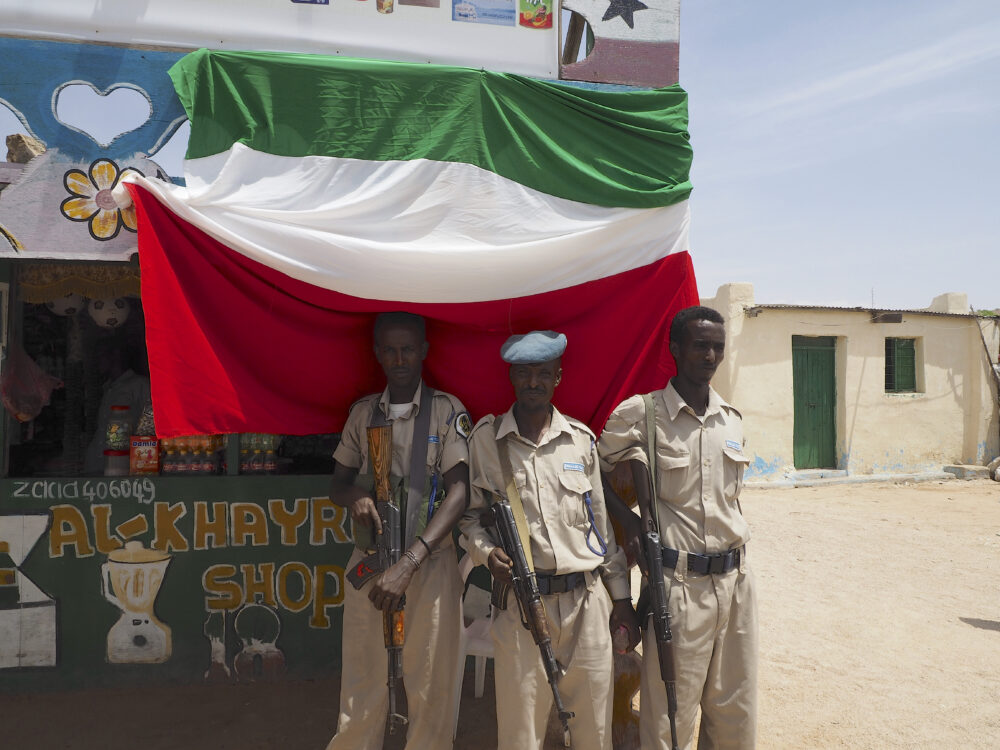
With Israel’s decision on December 26 to formally recognize Somaliland, a question that has lingered for decades has suddenly regained prominence. This move raises the stakes for other states—such as Ethiopia, the United Arab Emirates, and potentially the United States—who might follow suit, sparking a reassessment of a critical issue in African politics: the balance between colonial borders and political realities.
Colonial Borders vs. Political Realities
The recognition of Somaliland is not merely a diplomatic rite. It brings to the forefront one of Africa’s most enduring questions: when should colonial borders give way to political realities? For over six decades, African diplomacy has managed this tension, with frameworks shaped by both historical traumas and aspirations for stability.
The Organization of African Unity (OAU) and its successor, the African Union (AU), have committed to principles that uphold state sovereignty, the stability of inherited colonial borders, and the right to self-determination. These principles were born from a complex legacy, where sovereignty and non-interference aimed to protect newly independent states from external manipulation, following a painful history of colonial domination.
However, the harrowing experience of Rwanda has illustrated the limits of absolute sovereignty. The AU’s Constitutive Act included a groundbreaking clause permitting intervention in instances of genocide, war crimes, and crimes against humanity—which emphasizes that the sanctity of life should take precedence over strict adherence to sovereignty.
The Complexity of Colonial Borders
The commitment to maintaining colonial borders stems from anxiety about what might happen if maps were redrawn. Following the OAU’s 1964 resolution to respect boundaries as they were at independence, there was a collective fear that opening this Pandora’s box would rekindle historical grievances, ancestral claims, and ethnic tensions. It also locked in political entities that may not have been designed to function effectively as nations.
Simultaneously, the principle of self-determination presents a complex nuance. It recognizes the right of peoples to shape their futures but has often been interpreted primarily as a call for inclusion within existing states rather than an endorsement for new nation-states to emerge. This ambiguity has made self-determination the most contested concept in African political discourse.
The Case of Somaliland
Somaliland’s situation invites a renewed examination of these principles. This territory has maintained a largely peaceful and coherent governance structure for over 30 years. It has established its own political institutions and security forces while operating within a framework that largely denies it recognition from the international community. This paradox embodies the struggle between maintaining stability through recognized borders and re-evaluating the legitimacy of those borders in light of sustained self-governance.
The crux of the matter lies in where we draw the line for exceptions to the rule of colonial borders. Should recognition come only after total state failure or prolonged conflict? Or can it arise when a region demonstrates stability and governance without collapsing into chaos?
The Political Reality of Recognition
International law, particularly the Montevideo criteria, offers some benchmarks for state recognition—namely, territory, population, effective government, and the capacity for international relations. Yet the recognition of a state transcends mere legal definitions; it often hinges on political calculations, economic interests, and strategic alliances. This reality highlights the intricate dance of diplomacy that occurs behind closed doors, characterized by quiet negotiations and consultations.
States frequently hesitate to extend recognition until they assess its potential impact on regional stability. The political discourse framing this subtlety often revolves around notions of “regional security” and the “will of the people,” obscuring the realpolitik involved.
Precedents and Pressures
The concern about setting a precedent for other secessionist movements adds another layer of complexity. Africa hosts numerous organized movements advocating for autonomy or independence, each with its own unique historical context and challenges. Leaders worry that recognizing Somaliland could embolden similar desires for self-determination across the continent, potentially leading to destabilization and foreign interventions.
However, the insistence on absolute border sanctity also carries risks. It can entrench communities within dysfunctional political frameworks that perpetuate chronic failures, where sovereignty becomes a protective shield for governance shortcomings.
Towards an Informed Dialogue
The recognition of Somaliland, if it accelerates, prompts an urgent need for nuanced discourse among African policymakers. This discourse must not be about abandoning territorial integrity but rather about establishing clear principles for managing exceptional circumstances.
This conversation is inherently challenging, as it forces a confrontation with the imperfections of established doctrines. The avoidance of this dialogue does not prevent change but may lead to crises unanticipated by fractured systems of governance.
As the dynamics around Somaliland evolve, it serves as a critical litmus test for the future of the continent’s political landscape. A proactive approach to realign norms with emerging realities could pave the way for more cohesive governance structures that prioritize human needs over rigid borders.
In a world where borders were originally drawn to serve colonial powers, the challenge remains: how do we ensure that they exist to serve the people? Embracing this question could become one of the most essential tasks for African leaders in the years to come.
