

For a long time, the discipline of art history welcomed only one linear vision—a progression of art styles and movements primarily shaped by white male Western artists. However, in recent decades, art historians have shifted toward a more inclusive approach, recognizing the significant contributions of Black artists and others outside the traditional Western canon. While some of these artists created politically charged works, others chose to express themselves through various forms, including abstract art. Here are eight renowned Black painters whose contributions to art are both significant and varied.
1. Horace Pippin (1888–1946)
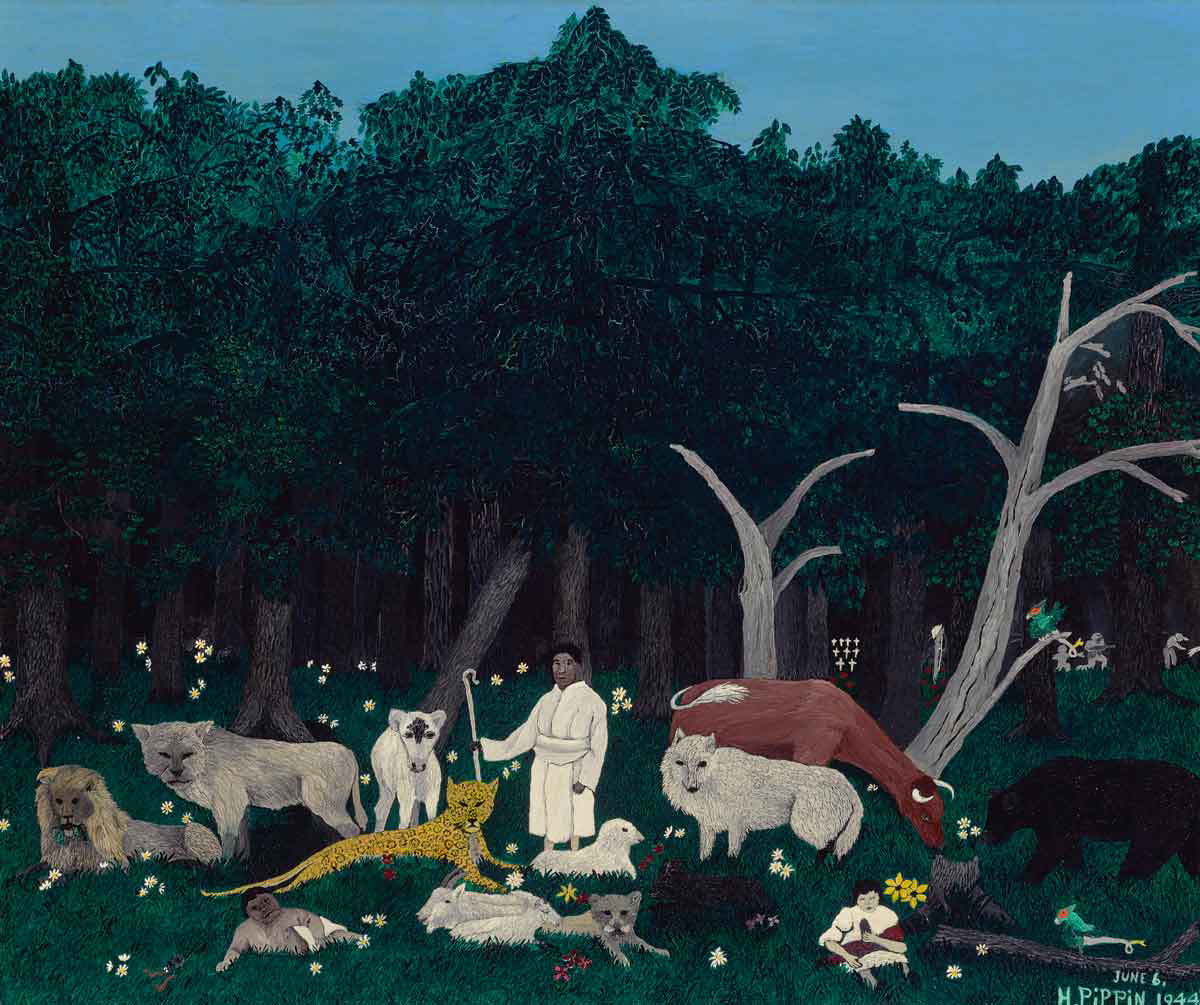
As a child, Horace Pippin was captivated by horse races and often sketched them in his notebook. After winning a local newspaper contest, he received his first box of crayons and a set of watercolor paints, which ignited his passion for art. His journey took a different path when he served in World War I, where an injury resulted in a lifelong disability. This experience motivated him to paint as a form of therapy for his trauma.
Pippin’s artwork is characterized by a blend of folk art and social realism, often depicting domestic and religious scenes. His style, while simple in composition, carries deep emotional weight. A turning point in his career occurred in 1938 when his work featured in a traveling exhibition organized by MoMA, marking his emergence as a prominent artist.
2. Faith Ringgold (1930–2024)
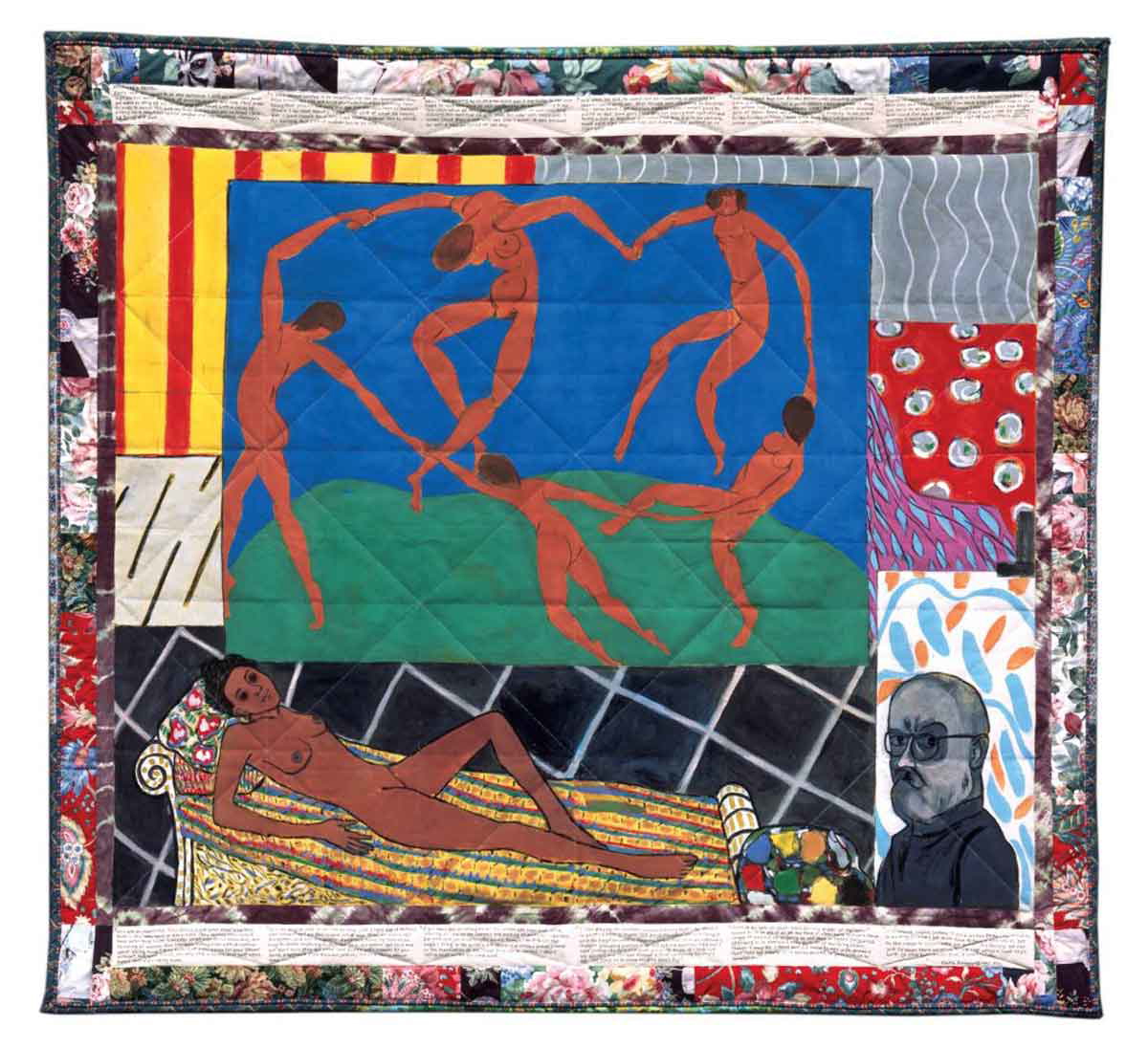
Faith Ringgold, an influential activist artist, was born in Harlem to a working-class family. Though she aspired to pursue art professionally, the only option available to her as a woman was a program in art education that would likely lead to a teaching career. While she worked as a teacher, her desire to paint persisted, though she encountered obstacles due to the politically charged nature of her work.
Ringgold’s pieces often address themes of race, gender-based violence, and social injustice. In the 1980s, she began creating quilts, reviving the African-American folk tradition passed down from her grandmother. Her acclaimed series, The French Collection, tells a fictional tale of a young African American woman’s adventure in 1920s Paris, highlighting the intersection of race and art during that era.
3. Edmonia Lewis (Wildfire) (1844–1907)
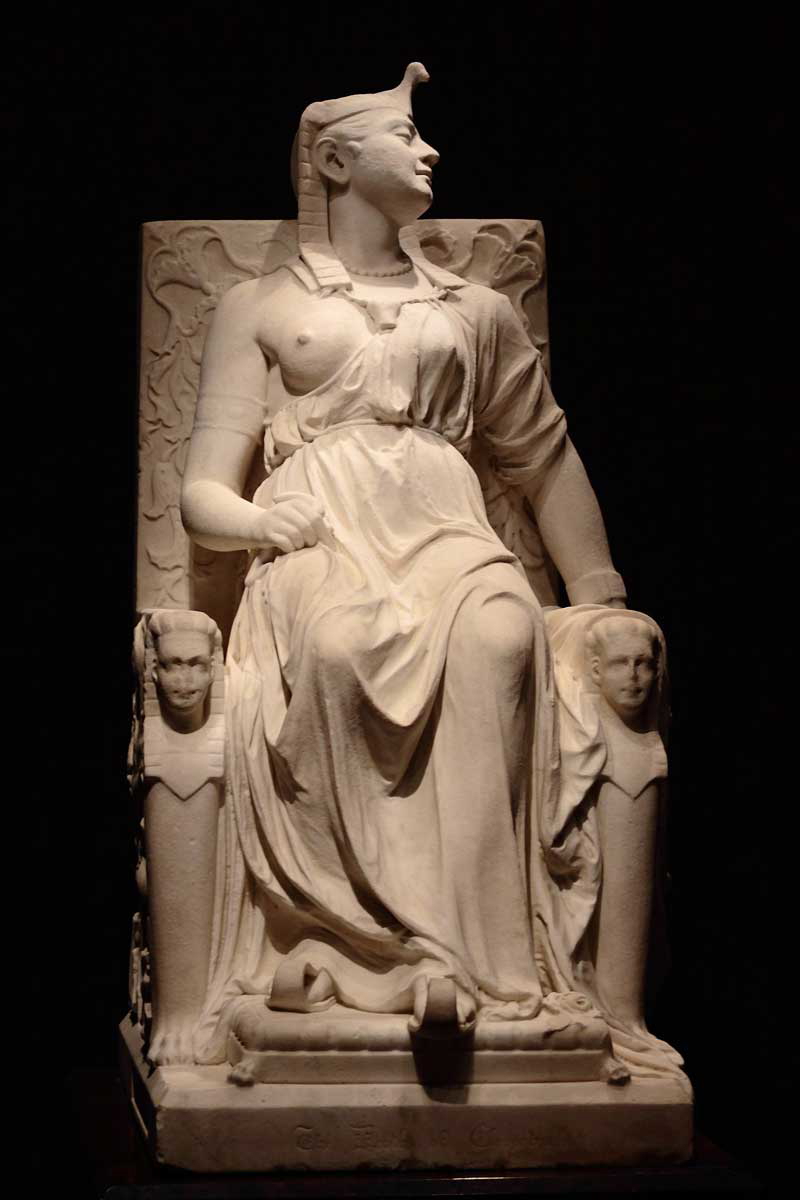
Edmonia Lewis was a pioneering sculptor of both African and Native American descent. Orphaned at a young age, she was raised by her brother, who financed her education at one of the few institutions accepting non-white students. Unfortunately, her college experience was marred by racism, leading her to leave before graduation.
After relocating to Boston, Lewis found a mentor in the abolitionist artist community and quickly established her artistic career. Her Neoclassical sculptures, often featuring themes related to African and Native American history, gained her recognition in both the U.S. and abroad. Eventually, she moved to Rome, where she experienced a more accepting atmosphere and flourished as an artist.
4. Jacob Lawrence (1917–2000)
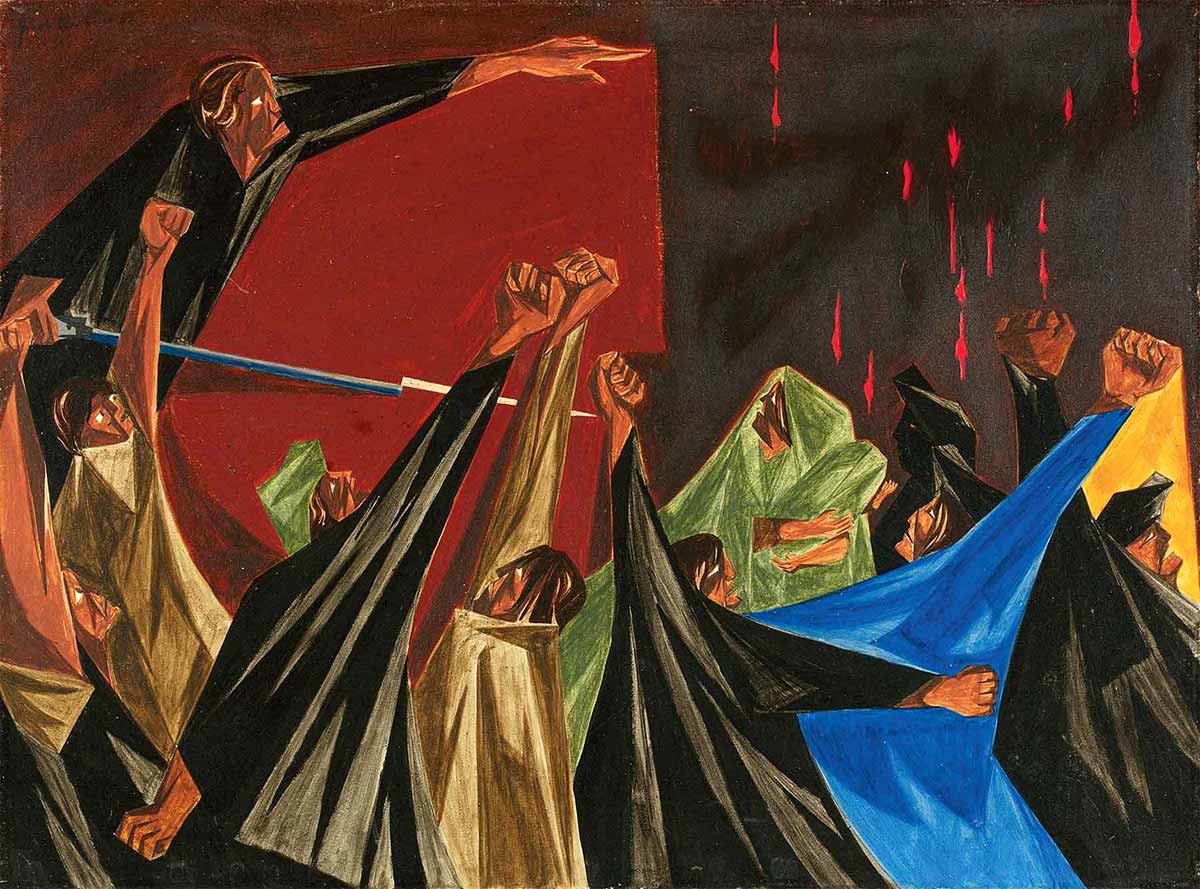
New Jersey-born Jacob Lawrence was surrounded by artistic influences from a young age. He first experienced art in the homes of relatives, where vibrant colors and creative designs resonated with him. Lawrence’s formal training began when he attended art classes, where he was recognized by influential Black artists. The renowned sculptor Augusta Savage played a significant role in Lawrence’s early career, guiding him toward public art projects.
Lawrence’s oeuvre often depicted scenes from African American history, centered on abolitionists and activists. His unique style merges Cubism, Meso-American influences, and folk art, making his work instantly recognizable. He also illustrated children’s books, conveying important cultural narratives, including the Great Migration and the legacy of Harriet Tubman.
5. Charles Alston (1907–1977)
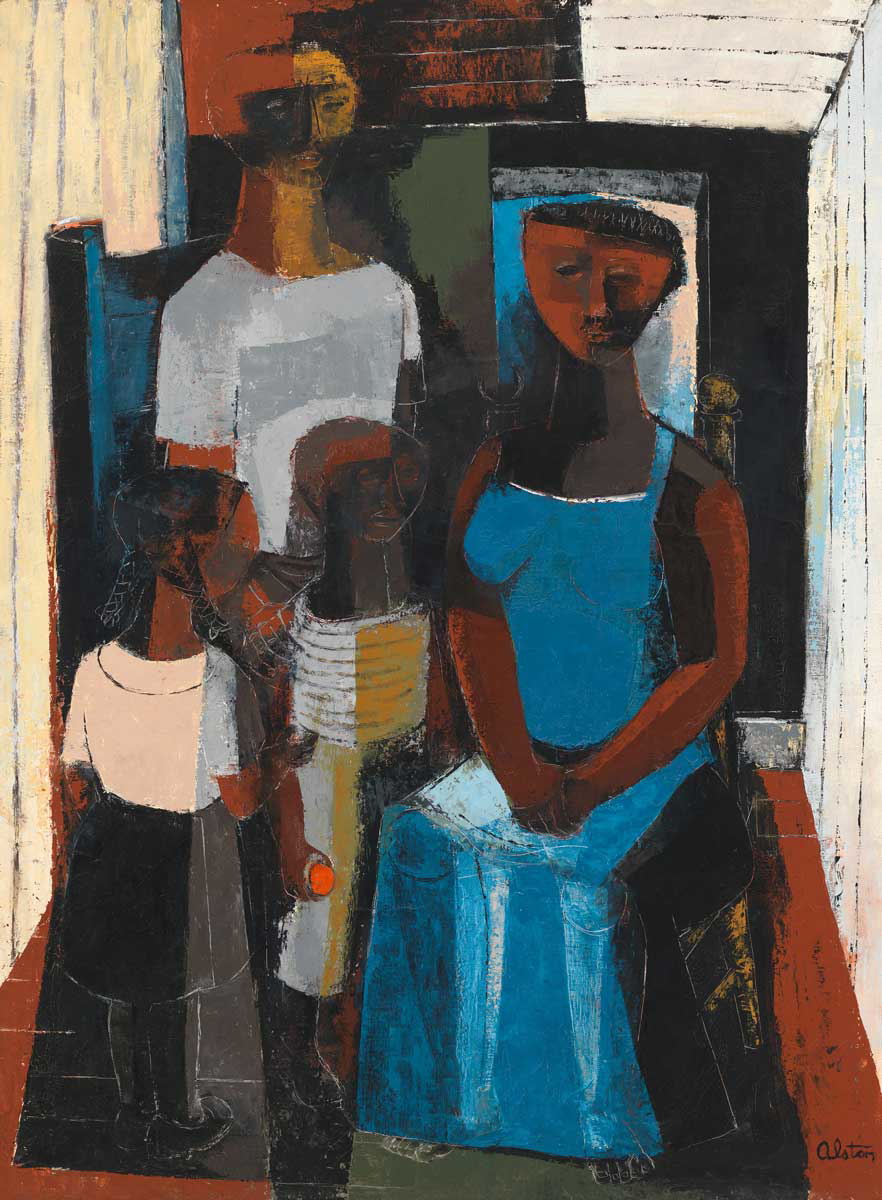
Charles Alston’s artistic journey began in childhood, inspired by his older brother’s drawings and by playing with clay found on the streets of his home in Charlotte, North Carolina. While studying at Columbia University, Alston transitioned from cartooning to murals, deeply influenced by Mexican muralists and European modern art.
Notably, Alston was an activist and an educator, becoming the first African American supervisor of the Federal Art Project, which supported artists during the Great Depression. He played a critical role in nurturing the talents of upcoming artists, including Jacob Lawrence.
6. Kehinde Wiley (1977– )
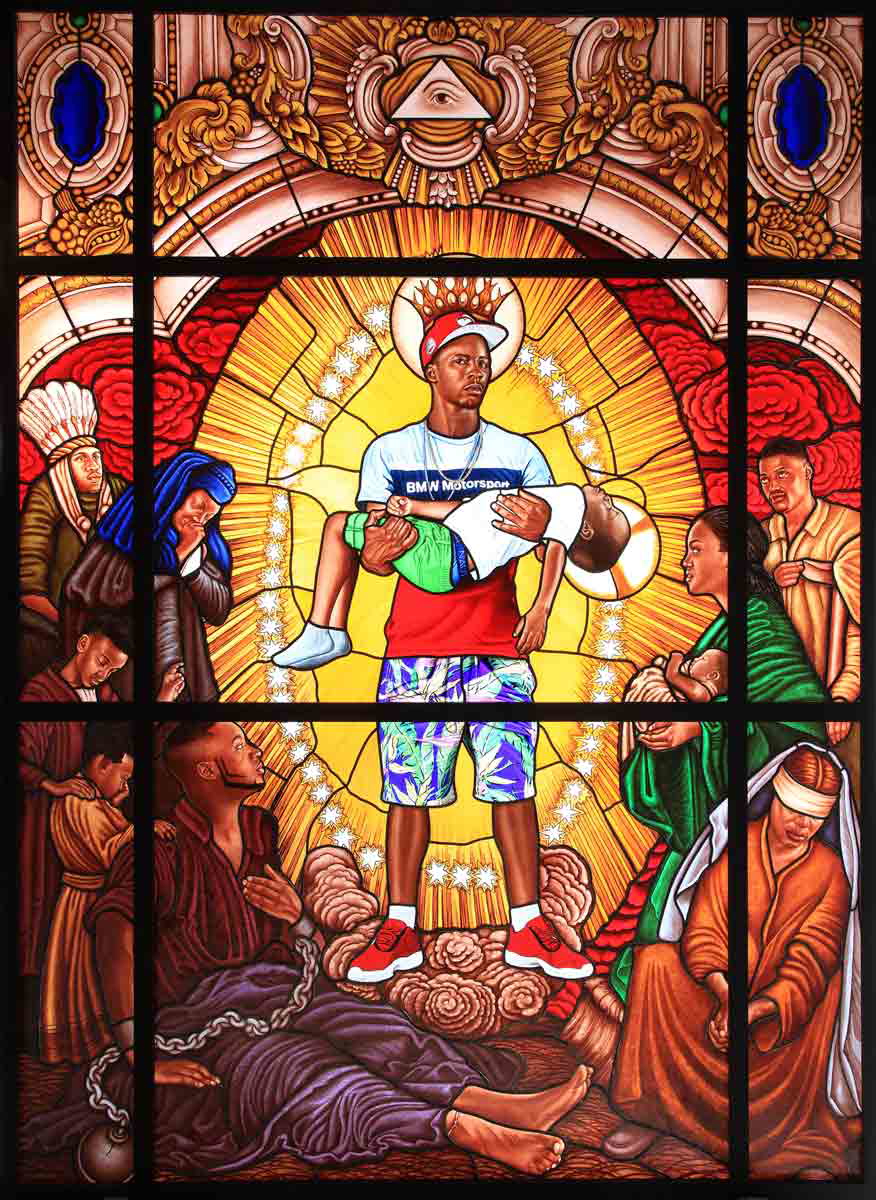
Kehinde Wiley, born in California to Nigerian parents, was initially enrolled in art classes to steer him away from gang culture. His talent quickly emerged, leading to an opportunity to study art in Saint Petersburg, Russia. There, Wiley developed a fascination with traditional portraiture and the power dynamics inherent in visual representation.
Wiley’s signature style employs the language of classical portraiture, featuring Black subjects in poses of elegance and authority. By recontextualizing these styles, Wiley challenges societal norms and redefines what it means to represent power in contemporary art.
7. Sam Gilliam (1933–2022)
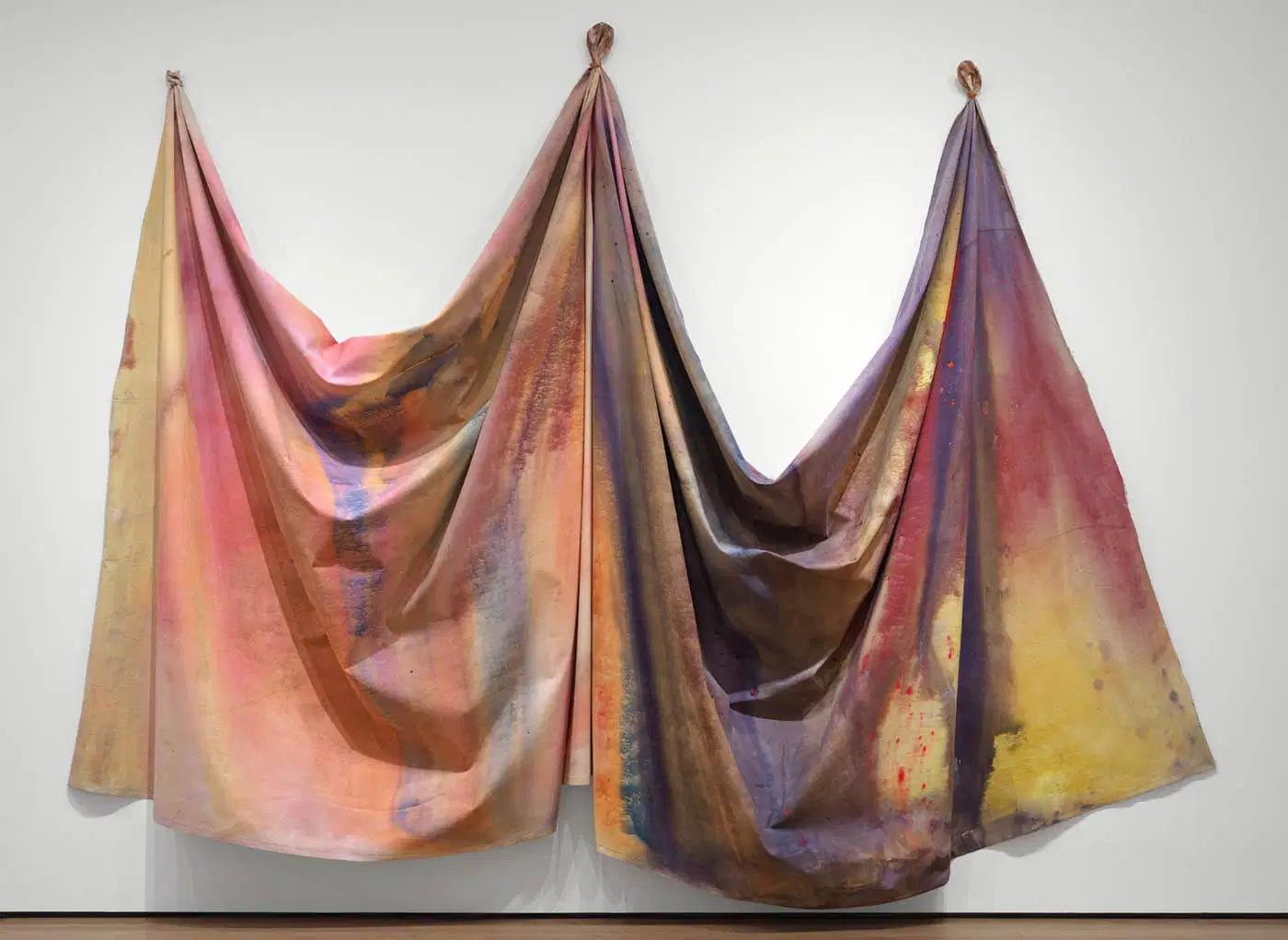
Growing up in Kentucky, Sam Gilliam always had a creative bent, initially aspiring to be a cartoonist. His family’s support of creativity fostered his artistic inclinations. After earning a degree in painting, Gilliam made connections with influential artists, which catalyzed his own artistic exploration.
During the 1960s, many Black artists were expected to address civil rights issues directly through their work, yet Gilliam chose to engage with abstraction. His innovative Drapes series blurred the lines between painting and sculpture, using canvases manipulated into three-dimensional forms. This unique approach opened new avenues for expression and redefined the boundaries of contemporary art.
8. Jean-Michel Basquiat (1960–1988)
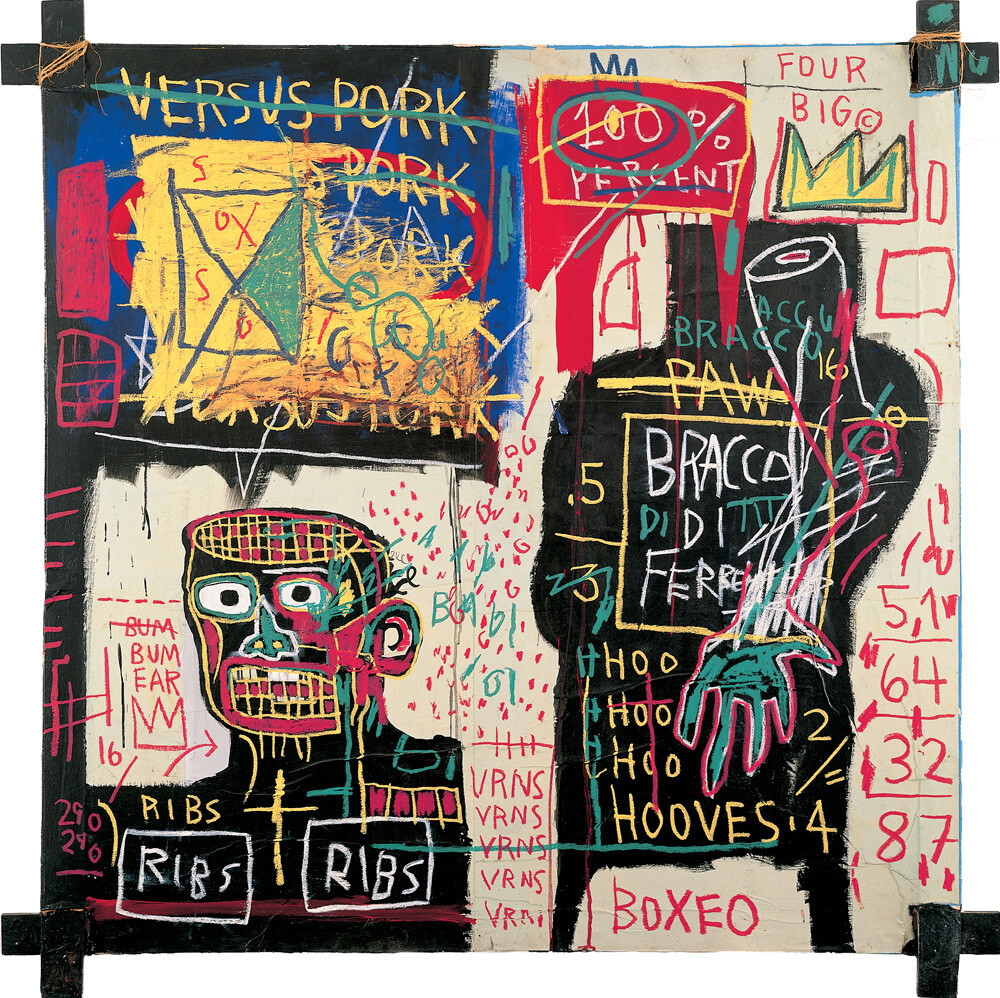
Jean-Michel Basquiat stands as one of the most impactful Black artists of the modern era, seamlessly integrating street art into high art. His multicultural background—being of Haitian and Puerto Rican descent—shaped his artistic vision, leading to diverse influences in his work. Starting with his SAMO project, where he and a friend spray-painted slogans across New York, Basquiat’s unique perspective quickly gained attention.
Transitioning from street art to canvas, his paintings melded text, imagery, and found objects, producing rich, layered commentary on race and identity. Basquiat’s style, a compelling fusion of graffiti and abstract art, resonated deeply within the contemporary art scene, making him a pivotal figure for future generations of artists.
