

Boulos’s North Africa Trip Reinforces U.S. ‘Deals, Not Aid’ Strategy
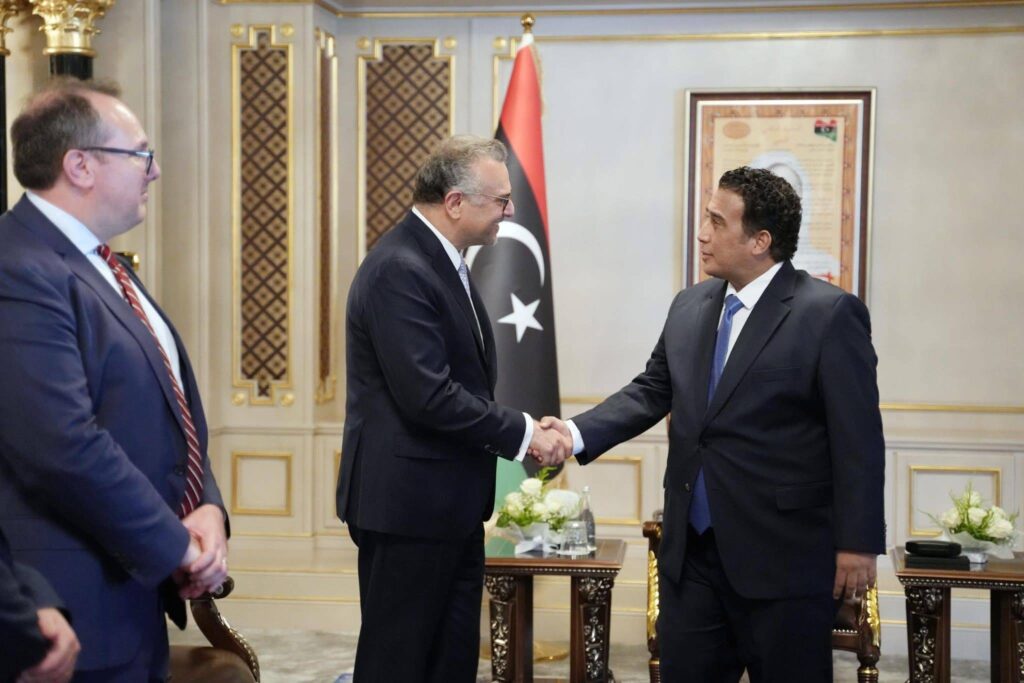
In the final days of July, Massad Boulos, the U.S. senior advisor for Africa, embarked on a significant trip across North Africa, a region that continues to matter in the context of U.S. foreign policy. The tone of his visit was deeply embedded in the Trump administration’s “deals, not aid” approach, reflecting a broader shift from a values-based policy to one grounded in transactional relationships.
Reception in North Africa: A Warm Welcome
Boulos’s visit received a warm reception in several countries, especially Algeria and Libya. This indicates a sustained U.S. influence in North Africa and suggests that the current administration may still play an essential role in addressing the region’s most pressing challenges. The enthusiasm displayed in these meetings signals an underlying potential for collaboration, even as criticisms of U.S. foreign policy linger in the background.
Conversations with Tunisian Leadership
Boulos’s first stop was Tunisia, where he engaged with President Kaid Saied. During their discussions, they focused on boosting bilateral ties, primarily aimed at countering terrorism and enhancing trade. Saied’s persistent advocacy for non-interference from external governments is notable, particularly in light of international critiques regarding his government’s suppression of dissent. Notably, Saied showcased an image depicting starvation in Gaza, which appeared to create a moment of tension between the two leaders.
Despite the cordial exchanges, significant issues like migration were conspicuously absent from their talks. The rising tide of illegal migration from North Africa to Europe has become a pressing issue—one that could destabilize European nations, who are essential partners for the U.S. While the Biden administration engaged European leaders regarding migration, Boulos’s oversight of this topic at such a crucial moment may have inadvertently weakened U.S.-European relations in addressing this shared concern.
The Migration Dilemma
Illegal migration from North Africa remains a critical national security issue for Europe. Tunisia’s recent dismantling of makeshift migrant camps highlights the urgency of this challenge. By sidelining the migration topic during his visit, Boulos missed a significant opportunity to strengthen ties with transatlantic allies, particularly as European countries like Italy grapple with maintaining stability through cooperative measures, especially in relation to the complications arising from Russian influence in the region.
Economic Concerns in Tunisia
Another significant topic that went unaddressed was Tunisia’s stalled negotiations with the International Monetary Fund (IMF). The country faces dire economic conditions, marked by rising unemployment and a widening trade deficit. Boulos’s omission of this crucial issue—the potential for U.S. involvement in aiding Tunisia’s economic revival—could have conveyed to Saied that Washington is less invested in Tunisia’s economic future than in forging transactional agreements.
Oil Deals in Libya: A Focus on Transactions
Boulos’s visit to Libya epitomized Trump’s transactional foreign policy, especially with the signing of an $8 billion oil and gas exploration deal. This ambitious agreement involved U.S. firm Hill International partnering with Libya’s Mellitah Oil and Gas to significantly boost oil production and facilitate exports to Europe. While seemingly a positive development, it highlights the ongoing fragmentation in Libyan governance, where rival factions still engage in cooperative ventures concerning oil.
Boulos’s meetings with both factions—the government in Tobruk and the UN-recognized authority in Tripoli—signal continued U.S. willingness to engage with competing interests within a fragmented state. This approach has its risks, yet it indicates a desire to retain influence in a crucial economic sector for Libya.
Engagement with Algeria: A Balancing Act
In Algeria, Boulos was similarly met with enthusiasm, aligning his visit with a recent military agreement that sets the stage for deeper U.S.-Algerian ties and possible arms sales. Given Algeria’s historic inclination toward Russia, this warm welcome signifies that the U.S. aims to maintain a balance of power in North Africa.
However, Boulos’s reaffirmation of U.S. support for Moroccan sovereignty over Western Sahara may have strained relations. Algeria has long supported independence for Western Sahara, and Boulos’s comments could push Algeria further into the arms of rival powers like Russia and China, complicating the geopolitical landscape for the U.S.
U.S. Foreign Policy: The Path Ahead
Despite these challenges, Boulos’s trip indicates a sustained interest from the U.S. in the future of North Africa. The trip reaffirmed the notion that, while tensions and conflicts are prevalent, there remains a pathway for potential partnerships that could stabilize the region amid shifting global dynamics. The emphasis on economic agreements over traditional aid reiterates a strategic pivot that reflects the broader changes in U.S. foreign policy amidst growing competition with global powers like China and Russia.
The developments highlighted during Boulos’s visit underscore the complexities of U.S. diplomacy in North Africa, where economic interests, migration issues, and regional alliances intertwine. As the U.S. navigates these challenges, the need for a more nuanced approach that engages with the realities on the ground remains paramount.
